

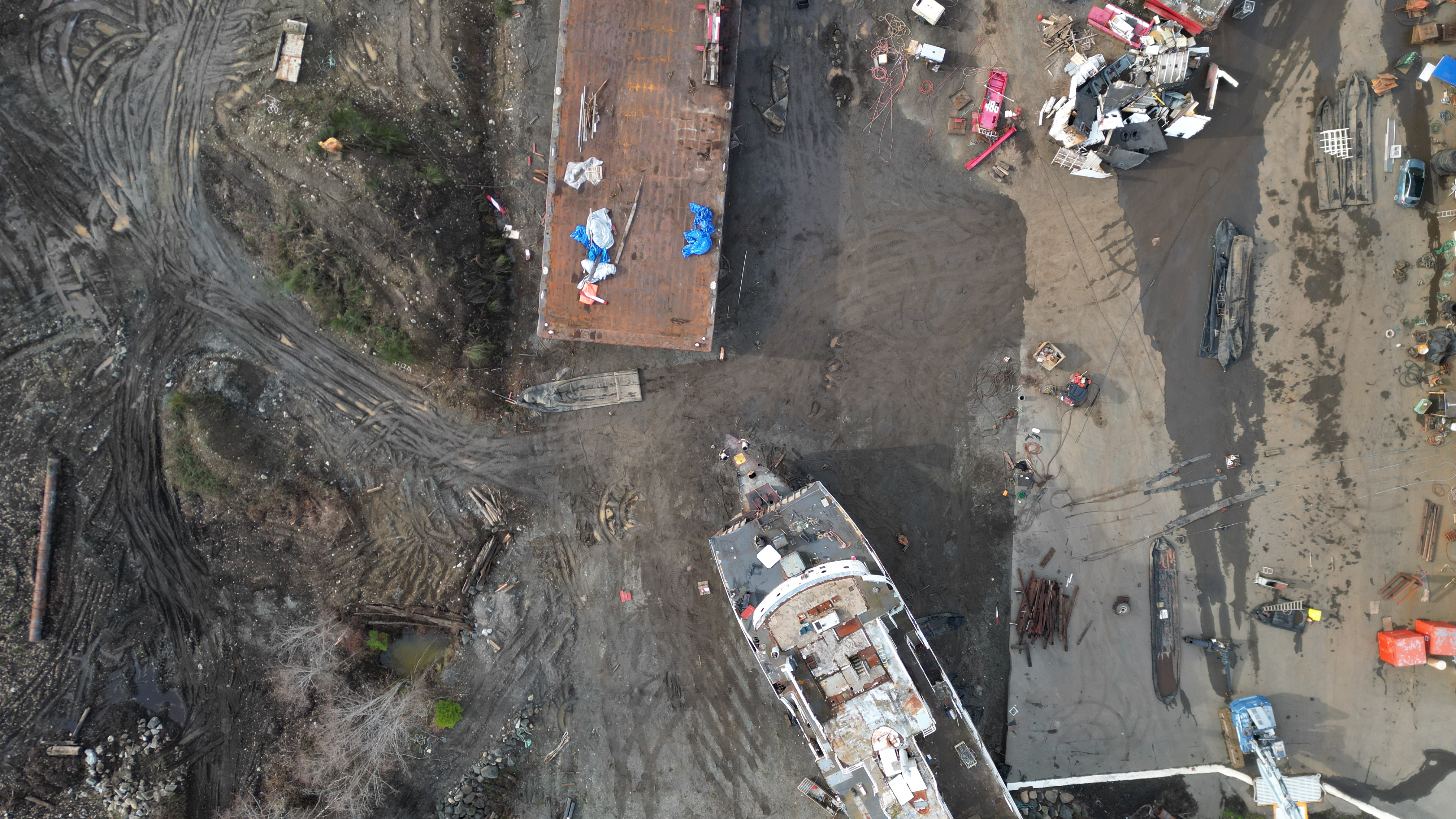
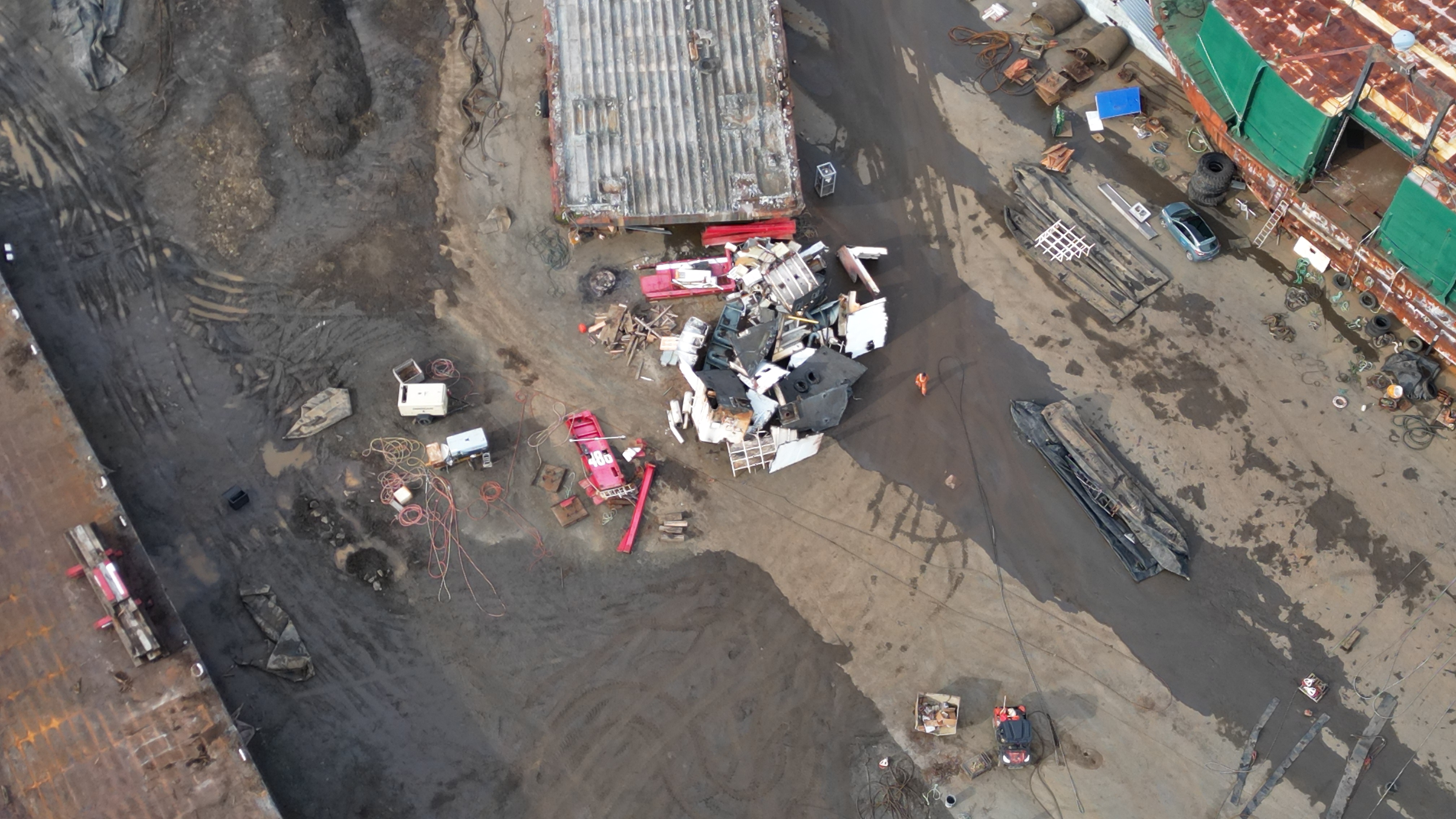
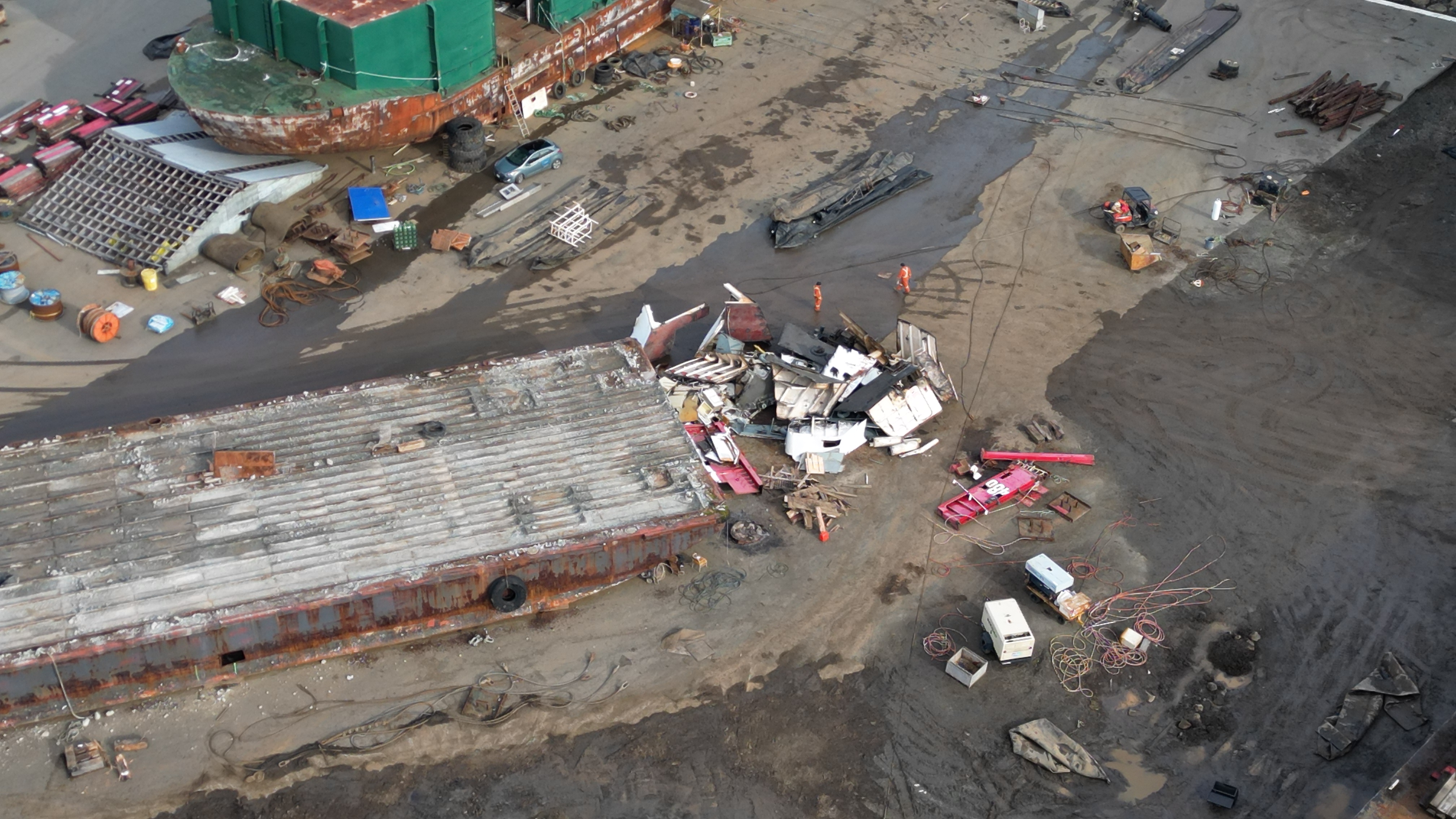
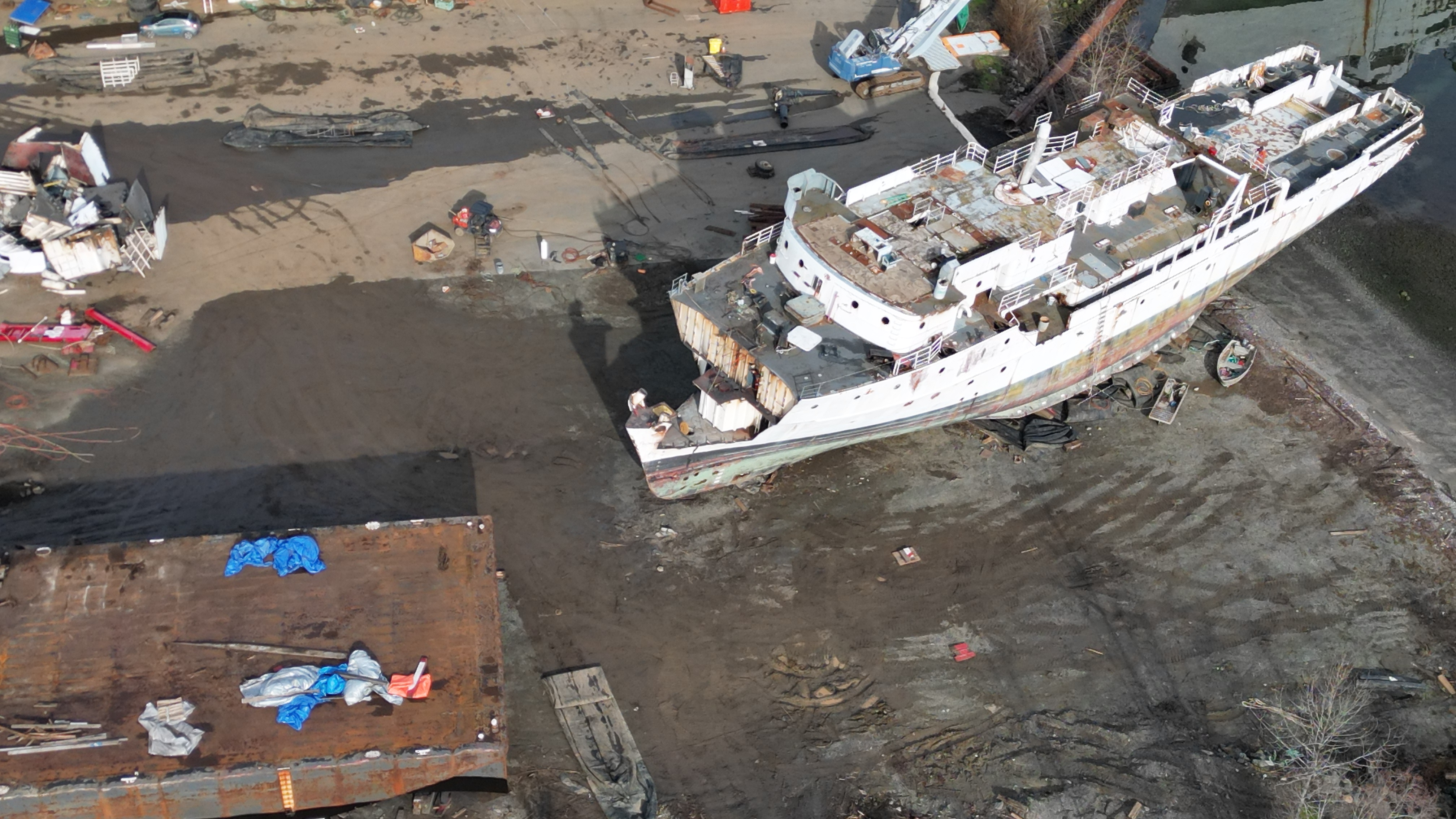
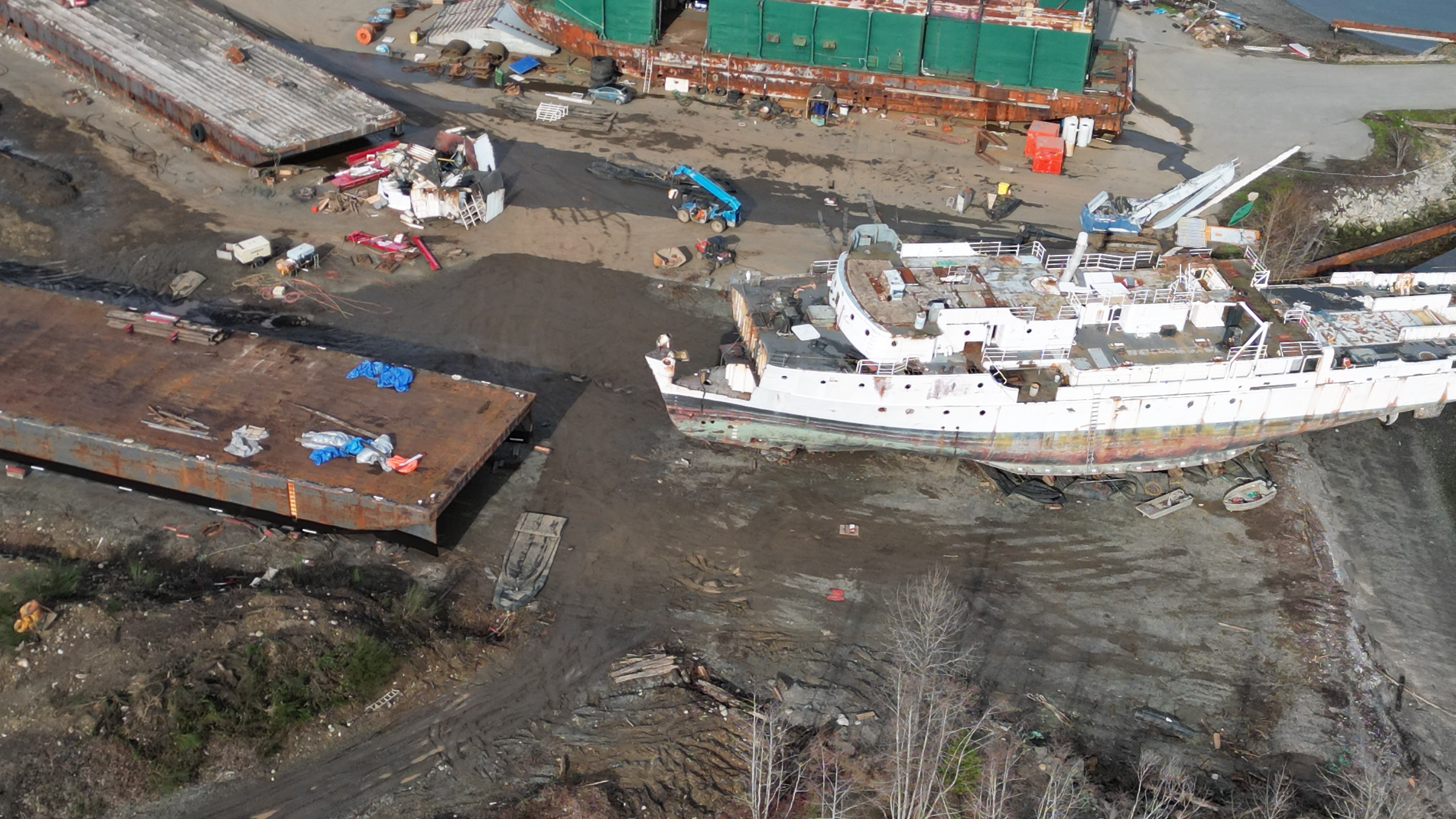
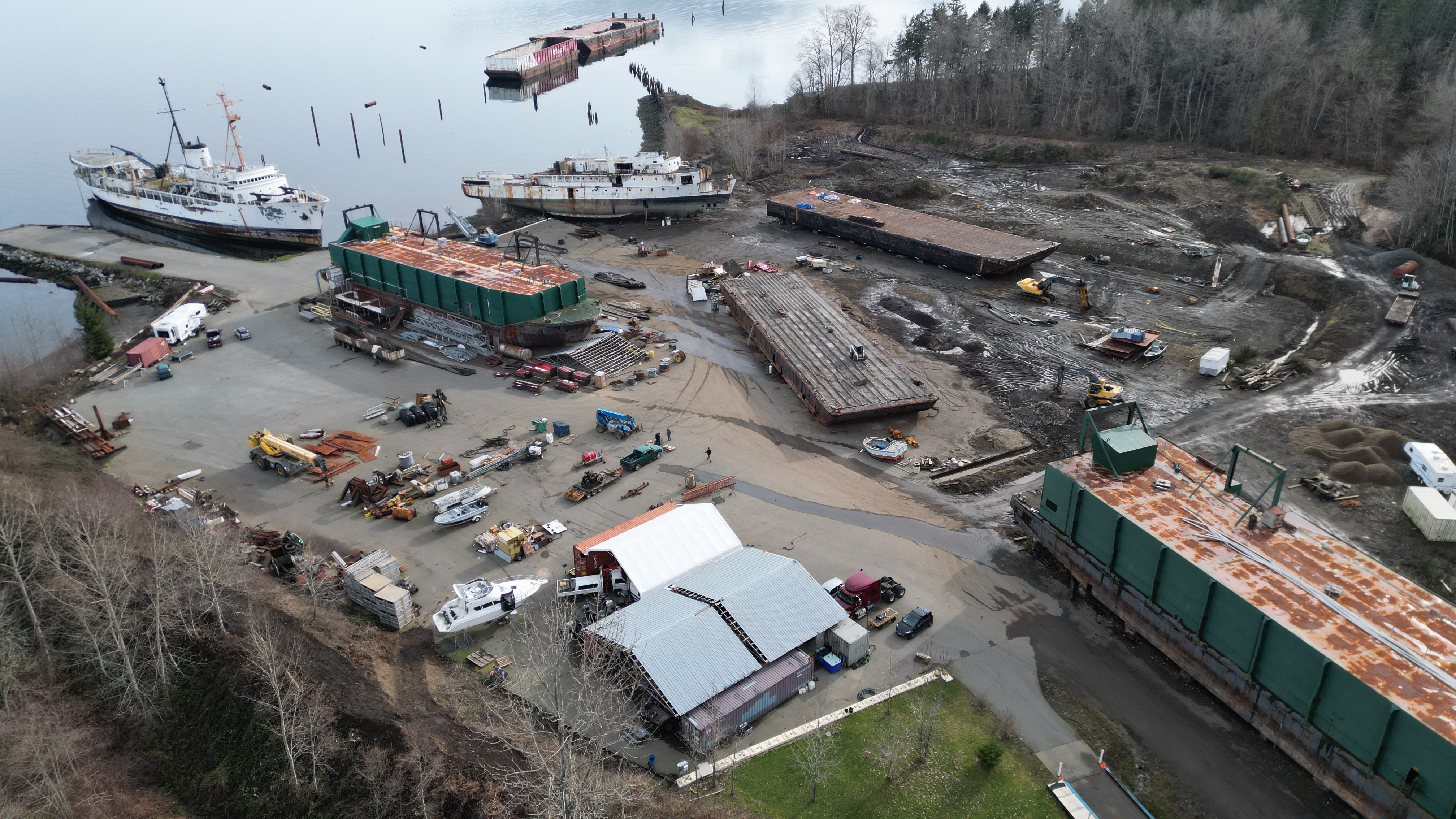
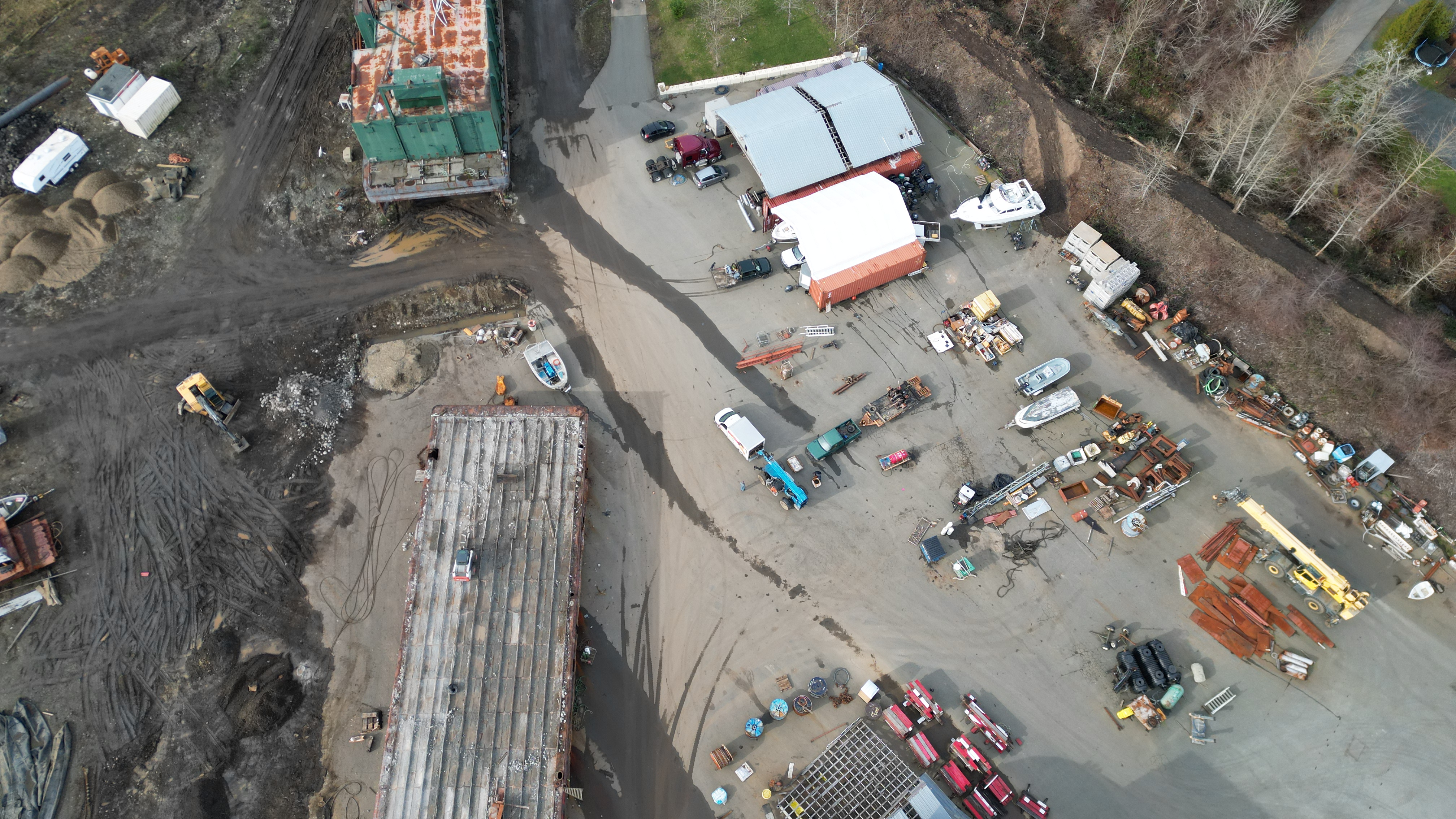
There are people illegally living on this industrial site. Imagine what their clothing is covered in and they go into their mobile home, vehicles, pet their dogs, all the while working with this dangerous substance. Where do they go to cleanse themselves? Nowhere. Probably get up each morning and put those same work clothes right back on and do it all over again.
ASBESTOS
Asbestos is recognised by the World Health Organization (WHO) as one of the most dangerous occupational carcinogens. Occupational cancer deaths may be caused by exposure to asbestos in more than half of cases. Asbestos causes around 255.000 deaths every year worldwide of which the vast majority are associated with work-related exposure. Although asbestos has been banned in more than 55 countries, some countries in Asia and the Middle East continue to use this material. India is the second largest user of asbestos, consuming around 350,000 tons annually.
Asbestos is a group of six naturally occurring minerals that are composed of resistant fibers to heat, electricity and corrosion. They have been used in thousands of domestic, commercial and industrial products, especially in the 1980s and 1990s, due to their thermal insulation and fire-resistant properties.
Asbestos is also one of the most common and most hazardous materials found onboard ships. It will typically be found in the vessels’ engine rooms, often inserted between steel plates. A commercial vessel could contain as much as 10 tons of Asbestos Containing Materials (ACMs) in engine rooms, fuel lines, sea water lines and fireproofing material, whereas navy vessels, such as the air craft carriers São Paulo and Clemenceau, are estimated to contain as much as 900 tons of asbestos and ACMs. Despite asbestos having been banned from ships since July 2002, recent estimates indicate that it is still found in over 65% of vessels, including 50% of all new builds.
When extracted, asbestos breaks into fine fibres, which can remain suspended in the air for long periods of time, putting anyone nearby in danger of inhaling or ingesting it. If inhaled, the fibres can lead to fatal diseases such as lung cancer, mesothelioma and asbestosis. Secondary or indirect exposure can also be as dangerous as primary exposure. Asbestos fibres can travel to the workers’ accommodation through clothes, lengthening exposure to the pollutant and exposing others living in the same location. Surrounding communities can also be exposed to asbestos that is hastily dumped in landfills. Those exposed must undergo special training, wear protective equipment, and use decontamination equipment.
https://shipbreakingplatform.org/issues-of-interest/why-ships-are-toxic/asbestos/
The Silent Threat: A Guide to Asbestos Awareness and Removal in Ships
03/01/2024
Asbestos is a naturally occurring mineral composed of thin, microscopic Fibers. These Fibers are strong, heat-resistant, and chemically inert, making them ideal for a variety of industrial applications. Historically, asbestos was widely used on ships due to its unique properties like heat resistance, good strength properties, flexibility, excellent thermal properties, and absorption capacity. These properties made asbestos a versatile and cost-effective material for shipbuilding and once hailed as a wonder material, but now casts a long shadow over the maritime industry. Lurking within the hulls of countless ships, it carries a silent threat – the potential for devastating diseases like mesothelioma, and lung cancer as few studies found it to be carcinogenic. This led to its initial restriction in some applications and eventually a complete ban.
As a result, international regulations on asbestos on ships are primarily governed by the International Convention for the Safety of Life at Sea (SOLAS), Regulation 3-5 of Chapter II-1: Construction – Structure, subdivision and stability, machinery and electrical installations. Here’s a breakdown of the key regulations (from MSC.1/Circ.1374/Rev.1).
- Ships built before 1 July 2002 can have ACMs (Asbestos Containing Material) on board. However, the ACMs are only allowed if they do not pose a risk to the crew’s health.
- Since 1 July 2002, the installation of materials that contain asbestos has been prohibited for all ships, except for some vanes, joints, and insulation.
- From 1 January 2011, any installation of materials that contain asbestos will be prohibited for all ships without exceptions.
Those who have sailed the seas, breathing in the invisible fibers unknowingly, know the fear, the uncertainty, the pain of an asbestos-related illness, and the toll it takes on their lives and the lives of their loved ones. Their stories are a powerful testament to the importance of asbestos removal and the need for companies to take proactive measures to protect their crew members and to adhere to regulations and procedures for asbestos removal, non-adherence to regulations can lead to significant consequences, including hefty fines from port authorities. Seafarer’s stories starkly remind us of the dangers we must combat.
https://www.verifavia-shipping.com/shipping-carbon-emissions-verification/news-the-silent-threat-a-guide-to-asbestos-awareness-and-removal-in-ships-739.php
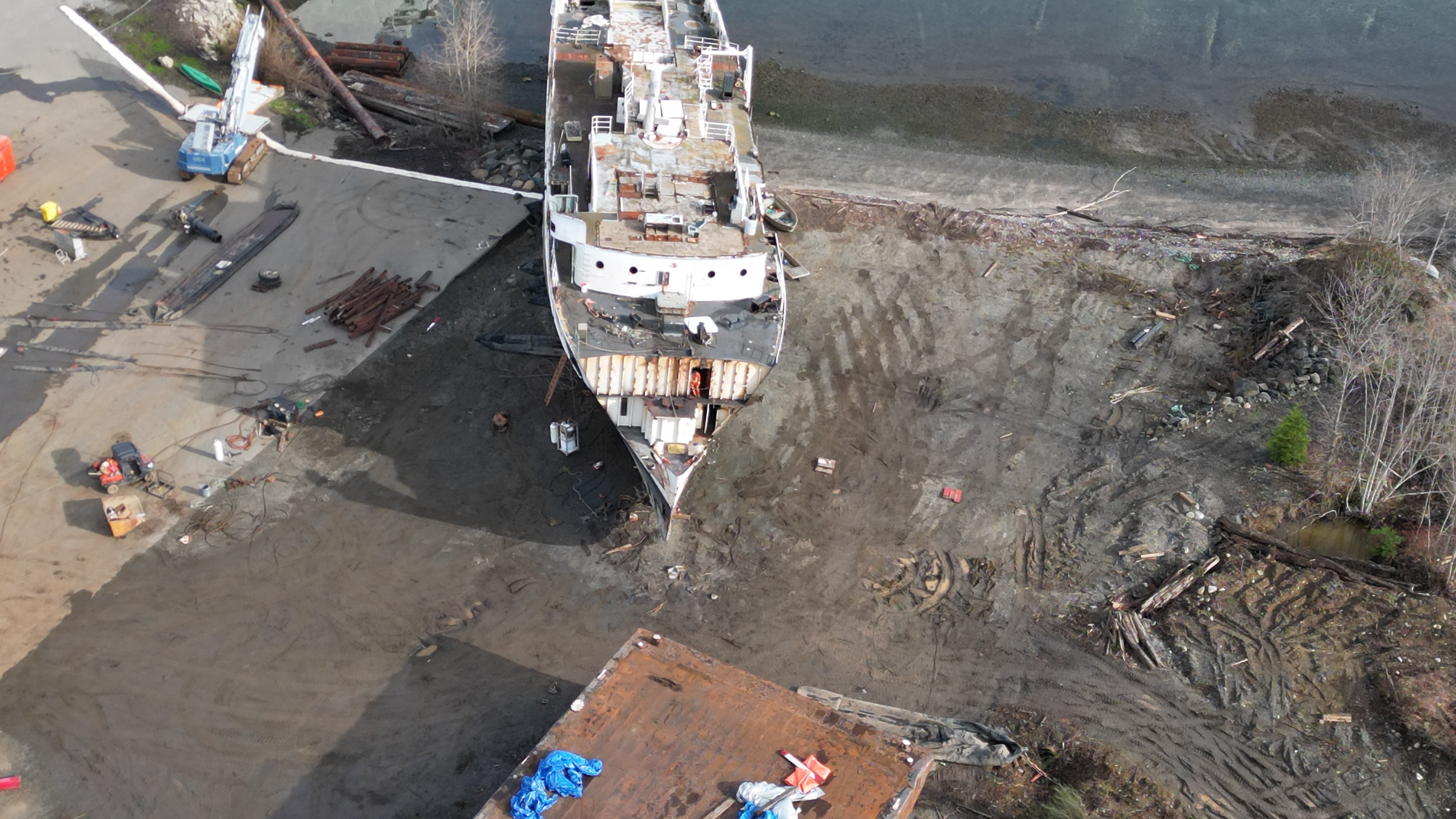
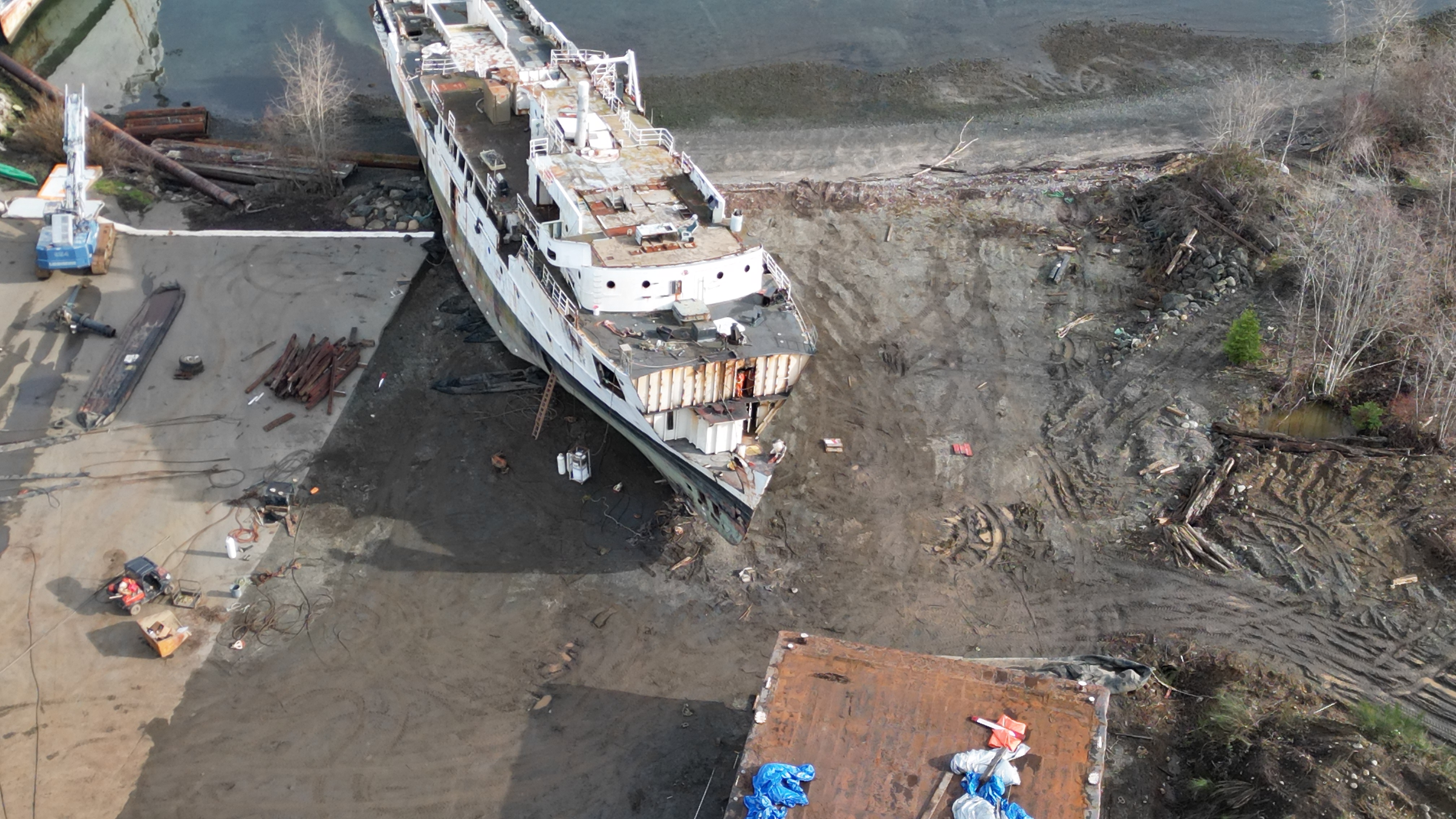
Who is at risk? The health risks of asbestos exposure.
https://www.oracleasbestos.com/blog/removals/asbestos-removal-on-ships/
Anyone who has worked in the shipbuilding industries and been in close vicinity to asbestos
materials, as well as those who have worked on or otherwise spent time on board ships
containing asbestos, could have potentially been exposed to asbestos, and the associated
health risks.
It is important to appreciate that if asbestos is in good condition and undisturbed, it is not
believed to pose a risk to human health. However, with the peak period of the mineral’s use on
ships having been from around the 1900s to the late 1970s, and the material potentially
susceptible to deterioration over time, this may have implications for the nature of the risk that certain historical asbestos-containing materials (ACMs) pose on ships today.
If such ACMs do deteriorate or are otherwise disturbed, there could be a risk of them releasing
individual asbestos fibres into the air. These fibres, which are barely visible to the human eye,
could be inhaled and become lodged in the lungs. That, in turn, could lead over time to the
development of health conditions such as mesothelioma or asbestosis.
So, not only those involved in shipbuilding (both today and historically), but also workers in the boat management industry, as well as those at sites where old vessels are now heritage
attractions, may be vulnerable to asbestos-related health risks.
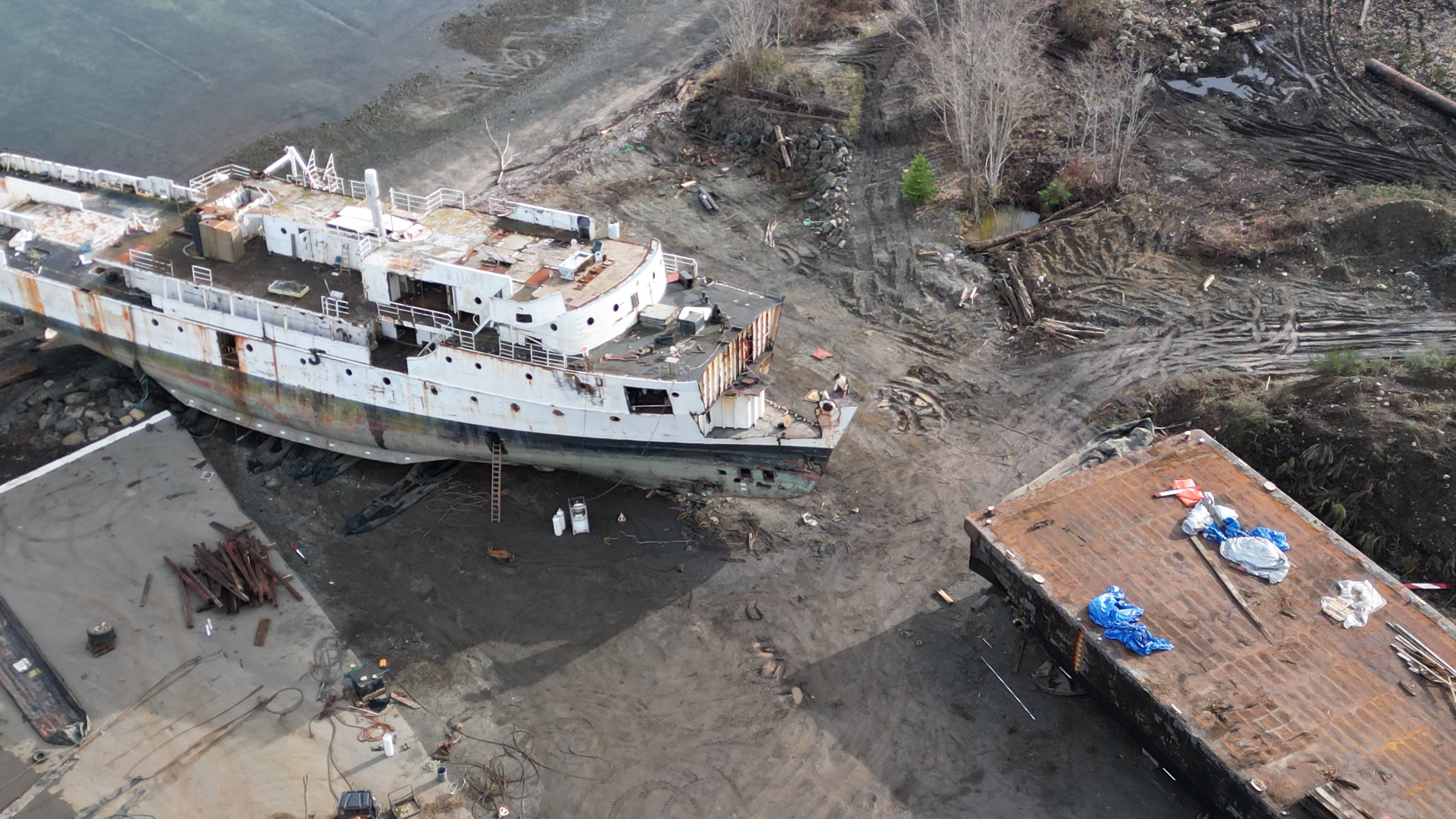
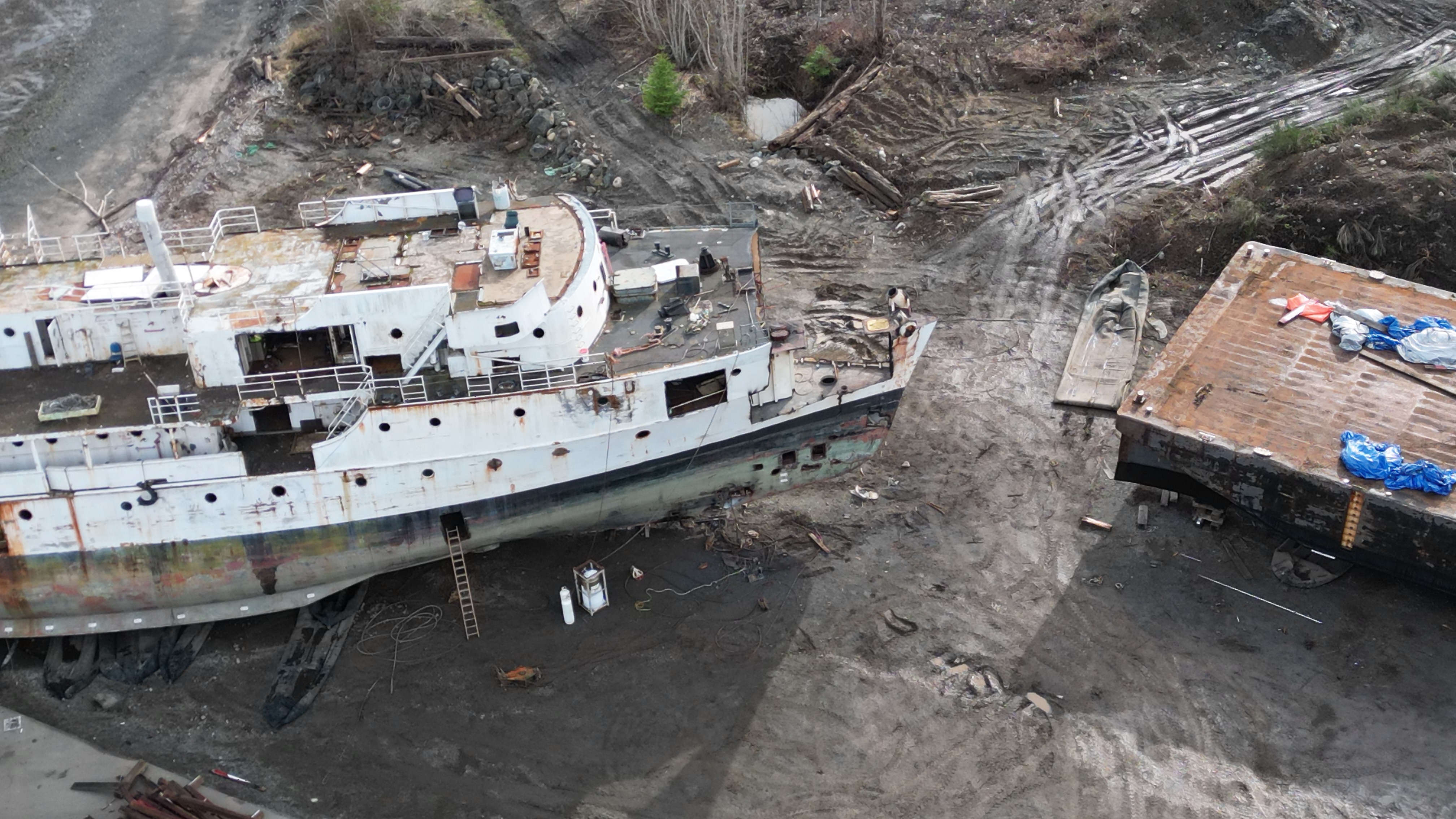
Asbestos, Lead & PCB Abatement In The Marine Industry
HAZARDOUS MATERIALS ABATEMENT ON OR OFF THE WATER
Our company’s internal culture of excellence ensures that abatement and decontamination projects on ships are approached with state-of-the-art technology and performed in a responsible and professional manner. Our risk-assessments and work plans are collaborative in nature and designed to dove-tail with clients health and safety programs which ensures that the hazardous materials abatement process designed for your vessel are practical, cost effective and to the extent possible, minimize disruption to your operations and are performed safely in full compliance with regulatory requirements.
Asbestos removal on a ship can be daunting and a very complex undertaking that requires expertise much different from asbestos removal in an industrial facility or commercial building. It requires a skill set that Enviro-Vac has honed over four decades. Our proven track record of efficiently completing asbestos removal on many ships of all sizes in strict compliance with regulators, deadlines and client’s expectations, often during complex timelines can be invaluable during refit or repairs.
END-OF-LIFE DECOMMISSIONING & RECYCLING
If you are in the preliminary stages of planning a vessel decommissioning or vessel recycling project call us to see how we can help. We recognize the value in early project participation and are available to assist our clients in developing collaborative decontamination strategies, programs and budgets that will guarantee the highest degree of success for each project.
https://www.envirovac.com/marine-asbestos-abatement
Enviro-Vac’s work in the Marine industry include Military, Ferries, Cargo, Barges, Tugs and specifically include the following services:
 allthingsunionbay
https://forms.gov.bc.ca/environment/rapp/
LikeLike
Contact Worksafe BC. Report them. https://www.worksafebc.com/en/health-safety/hazards-exposures/asbestos
LikeLike