

So, just take your best guess. What category would you put Deep Water Recovery in?
Shipbreaking
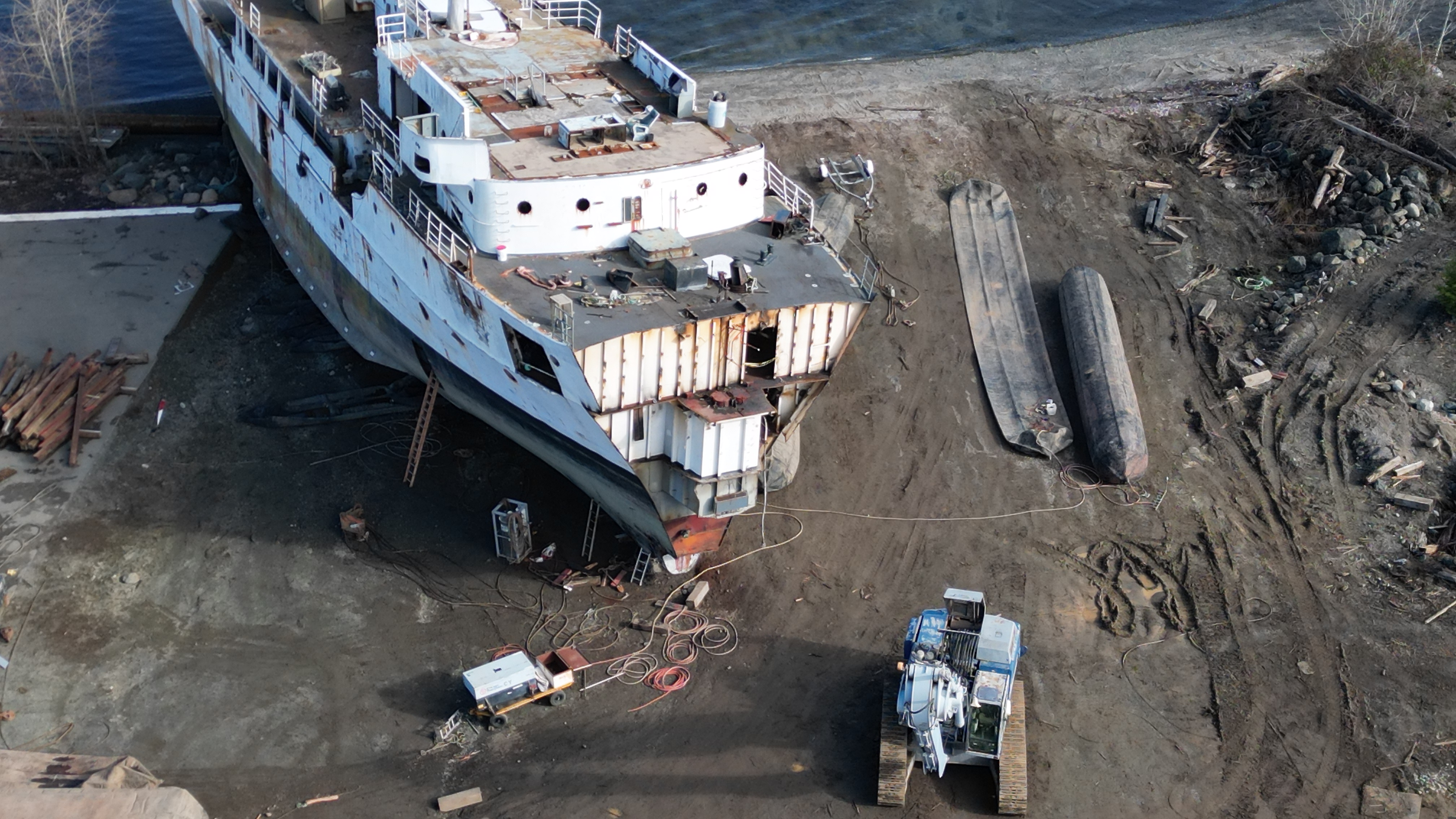
Shipbreaking is the process by which end-of-life ships are dismantled for scrap. For the purposes of this case, a distinction is drawn between ‘shipbreaking’ and ‘ship recycling’.
Ship recycling involves a ship being first contained in an enclosed landing space to prevent spills and leakages from contaminating the environment. The ships are then taken apart using cranes and mechanised equipment. Hazardous wastes are properly disposed of in approved landfills, and health and safety measures are enforced for the workers. Ship recycling yards can be found in countries such as China, Turkey and across Europe.
Shipbreaking, on the other hand, is the technique utilised across South Asia; most notoriously in Chittagong (Bangladesh), Alang (India) and Gadani (Pakistan).End-of-life vessels are driven at full speed towards the shore and deliberately run aground (the “beaching method”). Toxins and hazardous materials leak from the vessels and flow directly into the sand, soil or sea, where they are flushed away by tidal movements.
Workers then crowd the ship, with the “gravity method” adopted for much of their work. This involves large parts of the ship being cut away manually and allowed to crash over the side of the ship and onto the beach. Workers () then cut the smashed metal using handheld blowtorches or other rudimentary equipment. Health and safety policies and equipment are conspicuous by their absence.Shipbreaking is far cheaper than ship recycling. As a result, shipbreaking yards are able to offer more competitive prices than their ‘greener’ counterparts. The estimates that the difference between ship recycling and ship breaking is as much as US$3-7 million profit per ship for the ship owner.
Article continues: https://chambers.com/articles/shipbreaking-judgment-is-timely-reminder-of-shipping-companies-liabilities
 allthingsunionbay