

Thanks to the landowner who sent this easy to understand explanation of the Environmental Appeal Board Decision https://www.bceab.ca/app/uploads/sites/717/2024/06/EAB-EMA-24-A014a.pdf. Also, the Abatement Order is still in effect.
Overview of the Situation
Baynes Sound is a very important and sensitive ecosystem in British Columbia, responsible for over 50% of the province’s shellfish, such as clams, oysters, and mussels. This area was so important, it was named an Ecologically Sensitive Area by the DFO. It is home to many fish species, including herring, which are crucial for the food chain. Recently, Deep Water Recovery Ltd. was found to be releasing polluted water into Baynes Sound, which contained high levels of harmful metals like copper, lead, and zinc.
What the Environmental Appeal Board (EAB) Decided
On June 7, 2024, the Environmental Appeal Board (EAB) decided not to halt the pollution abatement order issued against Deep Water Recovery. Here’s what this means:
- The Pollution Abatement Order: In March 2024, the Ministry of Environment ordered Deep Water Recovery to stop discharging polluted water into Union Bay. This water contained toxic levels of copper, lead, and zinc, far above what is safe for marine life.
- Deep Water Recovery’s Argument: The company argued that following this order would cause them financial harm and damage their reputation, so they requested that the order be paused.
- EAB’s Decision: The EAB decided that the company did not prove they would suffer enough harm to justify pausing the order. They found that the pollution from Deep Water Recovery was still happening, even when the company wasn’t recycling vessels. Therefore, they decided that it was more important to protect Baynes Sound from further pollution than to worry about the company’s financial concerns.
Historical Contamination: What Did the EAB Find?
Deep Water Recovery argued that Baynes Sound, including the area around their site, has been contaminated for many years due to past industrial activities, and that the pollution wasn’t just their fault. They claimed that metals in the water were already elevated because of other factors, like nearby natural gas pipelines, a site contaminated with coal waste, and run-off from mining activities in the Cumberland area.
- The EAB’s Findings: The EAB acknowledged that Baynes Sound is already dealing with some historical contamination. However, they found that Deep Water Recovery was still adding more pollution, making the situation worse. The EAB found that even without any vessel recycling activities, the company’s site was still releasing high levels of copper, lead, and zinc into the water, which exceeded safe levels.
- Why This Doesn’t Excuse Deep Water Recovery: The EAB made it clear that just because the area is already polluted doesn’t mean it’s acceptable to add more toxins. When an environment is already under stress from historical contamination, it becomes even more important to avoid introducing additional pollutants. Each new source of pollution makes it harder for marine life to survive and increases the risk of long-term damage to the ecosystem. The EAB emphasized that the law requires companies to avoid making pollution worse, regardless of what’s happened in the past.
Why These Metals Are Dangerous to Baynes Sound
The toxic metals released by Deep Water Recovery are dangerous because they exceed safe levels for marine life:
- Copper: Safe levels are 2 µg/L (chronic exposure) and 3 µg/L (short-term exposure), but levels reached up to 57.4 µg/L near the site.
- Lead: Safe exposure is 2 µg/L, but levels were as high as 9.32 µg/L.
- Zinc: Safe levels are 10 µg/L, and 55 µg/L for short exposure, but levels reached up to 390 µg/L.
These metals can cause serious damage to fish and shellfish, leading to long-term harm and even death. This not only impacts the marine life but can also affect the people who rely on Baynes Sound for food and their livelihood.
How These Toxins Harm Fish and Shellfish
- Copper:
- Fish: Copper damages fish gills, making it hard for them to breathe. It also affects their sense of smell, making it difficult for them to find food and avoid predators.
- Shellfish (Clams, Oysters, Mussels): Copper accumulates in their bodies over time, making them unsafe to eat, even if they look fine.
- Lead:
- Fish: Lead affects their nervous system, making them slower and less able to escape predators. It also stops them from growing and reproducing properly.
- Shellfish: Lead builds up in their bodies, making them dangerous to eat over time.
- Zinc:
- Fish: High levels of zinc can kill fish, and even lower levels make them sick and weak.
- Shellfish: Zinc stops young shellfish from growing, which means fewer clams and oysters in the future.
The Impact on the Entire Ecosystem
- Herring: These small fish are a crucial food source for larger fish, seabirds, and marine mammals like seals. If toxins kill or harm the herring, it affects all the other animals that rely on them.
- Shellfish: Clams, oysters, and mussels help keep the water clean by filtering it. When they absorb toxins, they can no longer perform this role effectively, leading to more pollution in the water.
How This Affects People Who Love Clam Chowder or Oysters
If the pollution continues, the clams and oysters that are harvested for clam chowder will absorb more and more toxins. Here’s what this means for you:
- Unsafe to Eat: As these toxins build up inside shellfish, they become unsafe to eat, even if they look fine. Eating contaminated shellfish can cause nausea, stomach pain, headaches, and in severe cases, damage to your organs.
- No More Local Clams: Authorities might ban shellfish harvesting from Baynes Sound if the pollution continues, meaning no more fresh, local clams for clam chowder. You’d have to get clams from other regions, which would be more expensive and harder to find.
- Loss of Jobs: The shellfish industry provides jobs for many local people. If the water becomes too polluted, this industry could shut down, and those jobs would be lost.
Key Takeaway
The Environmental Appeal Board’s decision means that Deep Water Recovery must follow the pollution abatement order and take steps to stop discharging toxic water into Baynes Sound. This is crucial because the continued pollution threatens the health of fish, shellfish, and the entire ecosystem. Even though Baynes Sound has been polluted in the past, that’s no excuse to add more toxins. By protecting Baynes Sound now, we can prevent further harm to marine life, ensure the shellfish remain safe to eat, and keep this important ecosystem healthy for future generations. This is not just about protecting fish and clams—it’s about preserving jobs, a source of food, and a way of life for many people in the community.
 allthingsunionbay
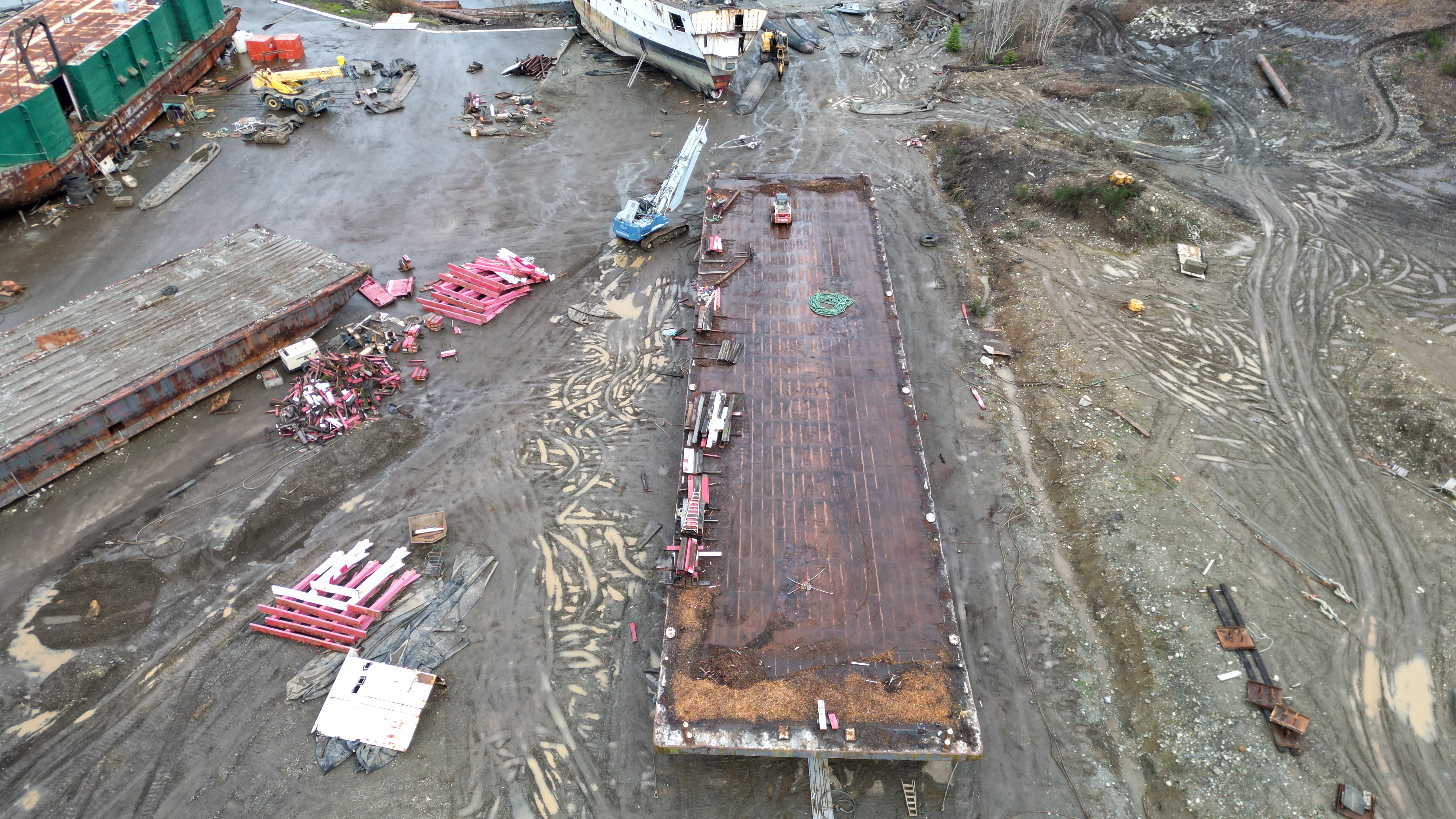
The contrast between a polluting shipbreaking company {Deep Water Recovery Ship Breaking} and a clean, sustainable environment highlights the importance of environmental stewardship. While the former may provide limited employment opportunities under hazardous conditions, the latter can support a thriving economy that benefits many. By prioritizing environmental health, communities can create a future where both people and nature flourish, leading to a more prosperous and equitable society. Investing in sustainable practices not only protects our planet but also opens doors to a wealth of opportunities for current and future generations.
LikeLiked by 1 person