

Post from CCOBS Facebook below pics.
Concerned Citizens of Baynes Sound
https://www.facebook.com/profile.php?id=61565489111834
2h ·
 Is B.C. Ignoring the Growing Shipbreaking Problem? A Look at the New Coastal Marine Strategy
B.C. recently released its Coastal Marine Strategy, a comprehensive plan aimed at protecting marine ecosystems, tackling pollution, and promoting sustainable coastal economies. Sounds great, right? But while the strategy makes some big promises, there’s a glaring omission that could have serious environmental and public health consequences: Shipbreaking regulations.
What’s the Issue?
Shipbreaking—the process of dismantling old ships for scrap metal—is a highly polluting and hazardous industry. Without proper regulations, it can lead to:
 Toxic chemical leaks into our oceans (including heavy metals, oil, and asbestos).
Health risks for workers handling hazardous materials without protection.
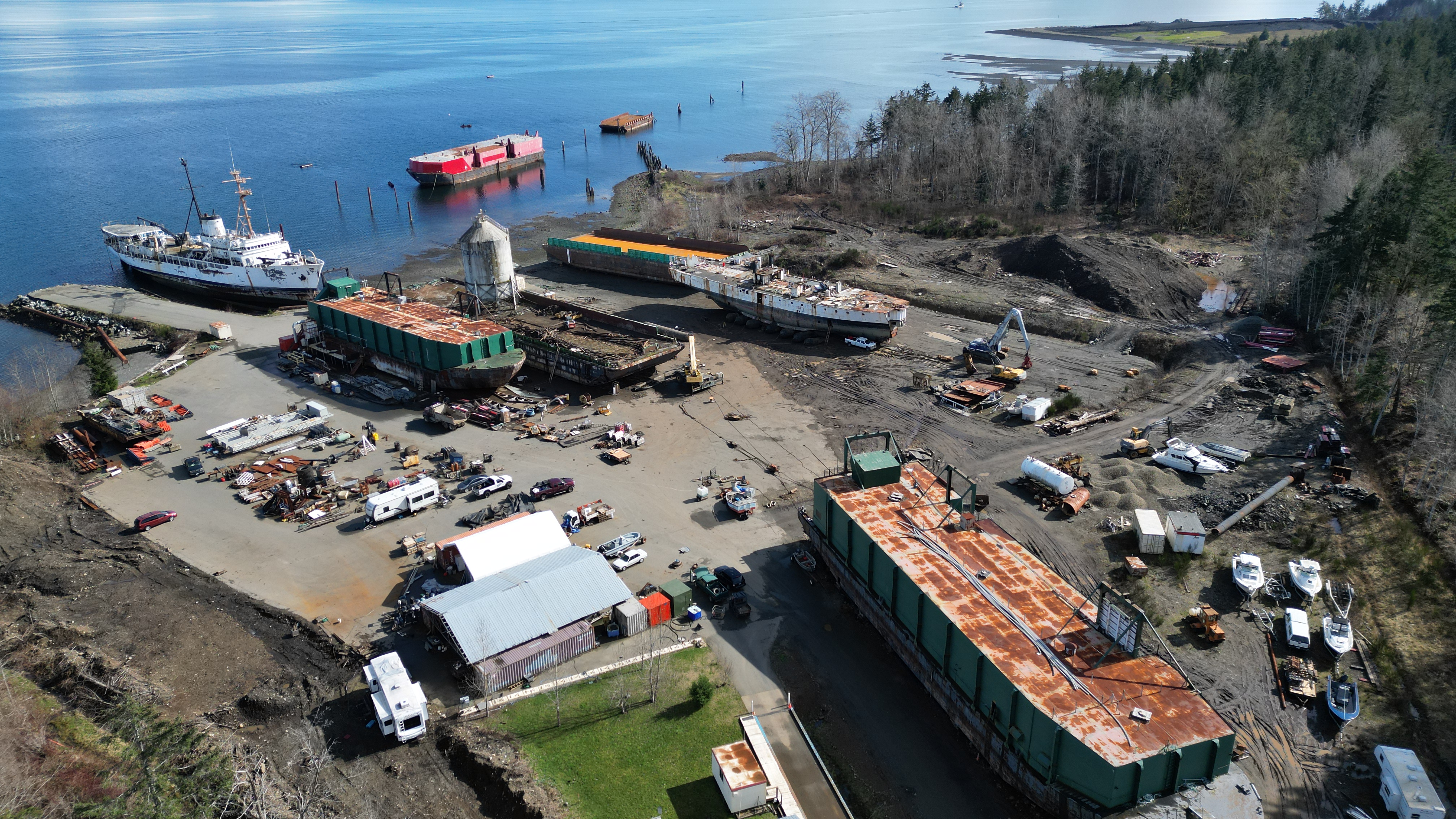
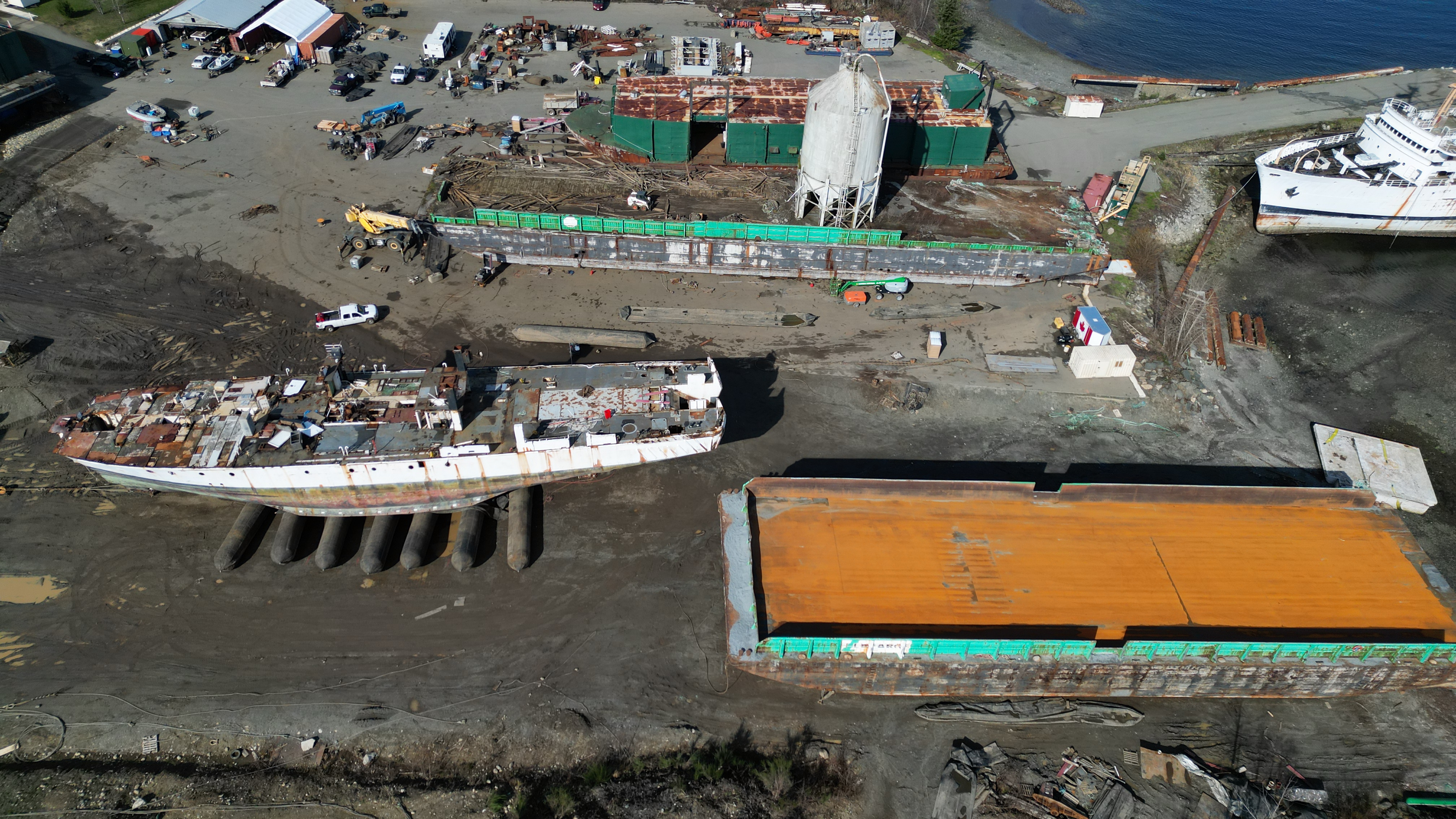
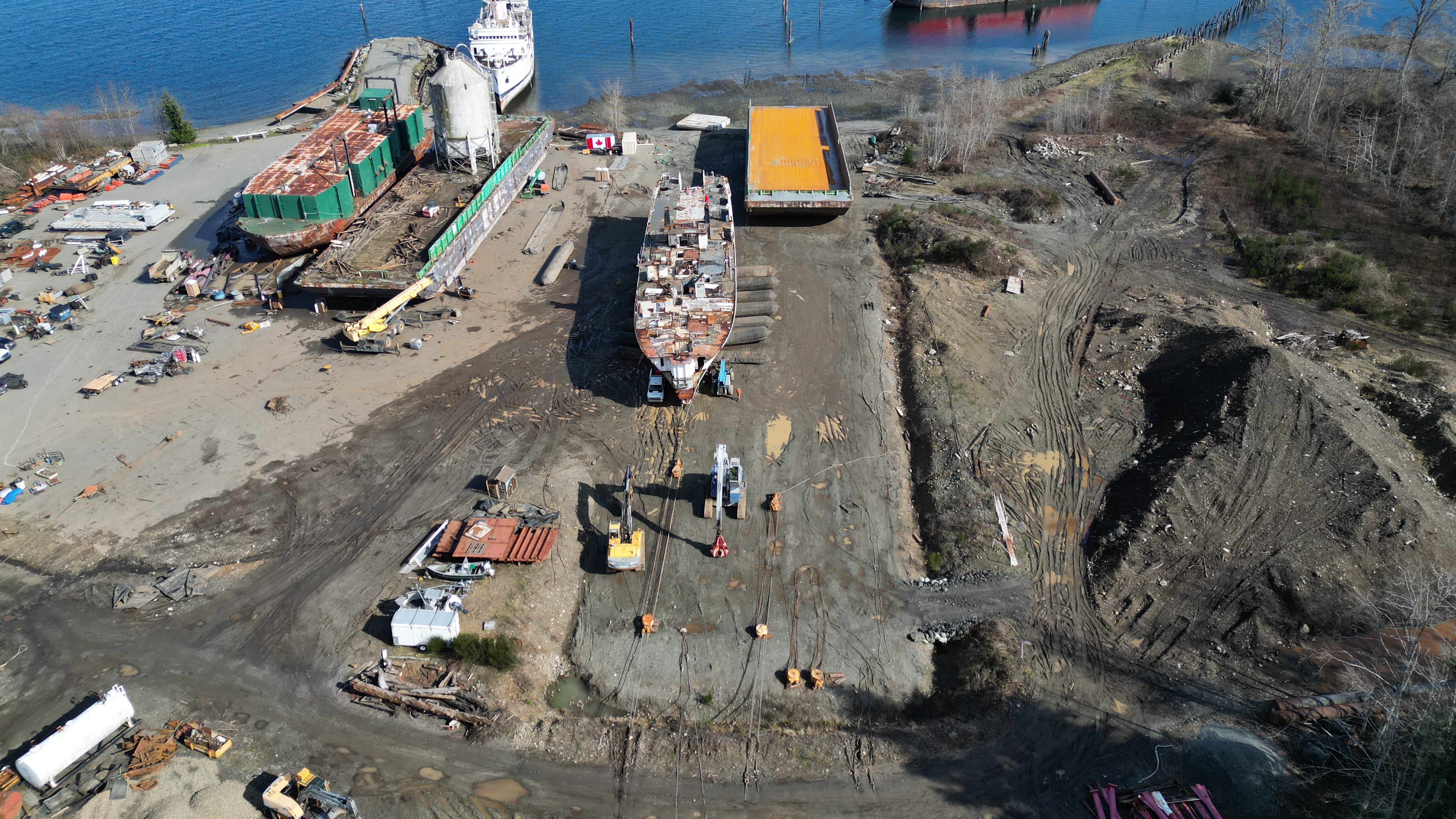
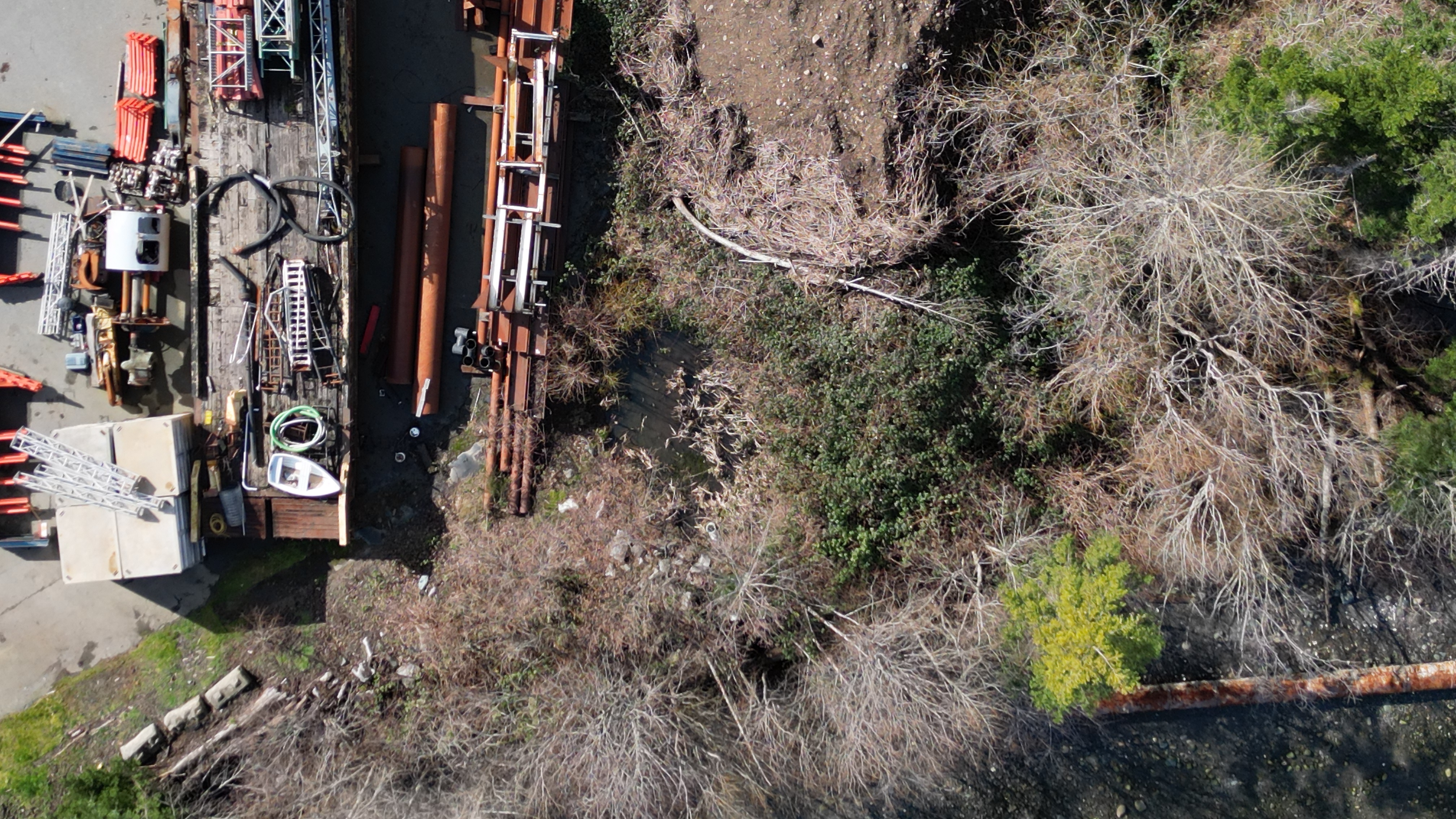
Unregulated waste disposal, with parts of ships left to rot on our shores.
Despite growing concerns, B.C. has no specific laws regulating shipbreaking. And unfortunately, the new Coastal Marine Strategy does little to change that.
What Does the Strategy Say About This?
 It acknowledges that abandoned and derelict vessels are a major problem. The strategy outlines efforts to remove old boats polluting our waters.
It promotes marine pollution prevention. There are plans to reduce plastic waste, regulate vessel discharges, and improve water quality monitoring.
It includes the Clean Coast, Clean Waters initiative. This program funds coastal cleanup efforts, including removing marine debris and derelict vessels.
 But here’s the problem:
 No mention of shipbreaking regulations. The strategy doesn’t set any standards for the safe dismantling of ships.
No enforcement mechanisms. Without clear laws, who’s responsible for preventing toxic waste spills from shipbreaking?
No plan for hazardous waste disposal. Where do the toxic materials from dismantled ships go? The strategy is silent on this.
The abandoned vessel program is focused on small boats, NOT large ships.
While efforts to remove derelict vessels are important, vessels over 500 GT (gross tonnage) fall under international conventions and must be addressed at that level. This means large ships cannot simply be lumped in with small boat cleanups—they require specialized regulations and oversight. It involves interdisciplinary cooperation between Federal, Provincial and Local governments.
Why This Matters for B.C.
B.C. is a coastal province with a massive shipping industry. As more vessels reach the end of their lifespan, the lack of shipbreaking regulations means we’re at risk of becoming a dumping ground for “end of life” ships or unregulated, hazardous dismantling operations. These ships are rarely abandoned; they are bought at auction and sent to dismantling sites for recycling.
Other regions, including Europe and South Asia, have strict shipbreaking laws, yet B.C. is lagging behind. Without proper oversight, shipbreaking could become a major environmental crisis along our coast. Let’s not use Union Bay as an example of how shipbreaking should be done in British Columbia.
https://www2.gov.bc.ca/…/coastal_marine_strategy.pdf
#coastalmarinestrategy#bccoastline#BCCoastalcommunity #Birds#EBSA#IBA#shipbreakingyard#shipbreaking#seaspan#environmentalawareness#environment
Fisheries and Oceans CanadaEnvironment and Climate ChangeSeaspan CorporationJosie OsborneTransport CanadaDavid EbyConservative Party of BCBC NDPBCCPAWS-BCBC Green PartyOceana CanadaCanadaComox Valley Wildlife SightingsB.C. Wildlife Federation’s Watershed Team
 allthingsunionbay