

Robert Bohn, Andrew Bohn and Mark Jurisich want you to believe this should be viewed as a positive. On soil, zero precautions. No filtration.
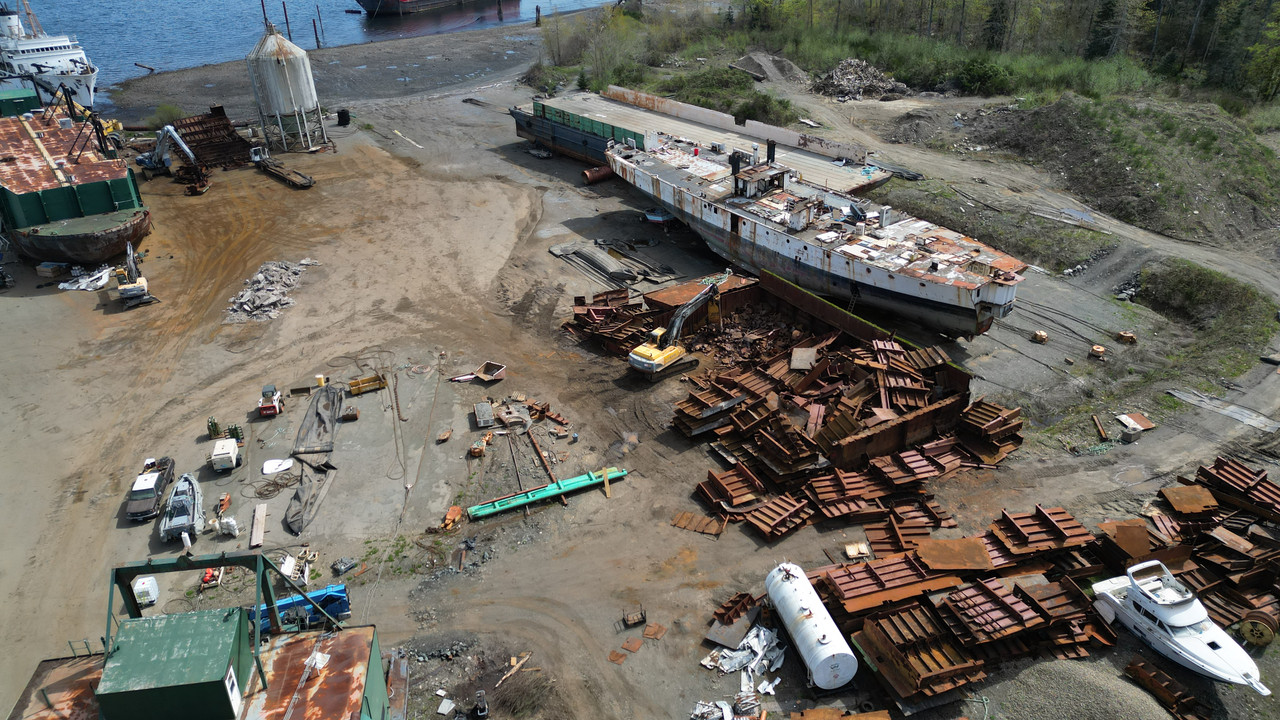
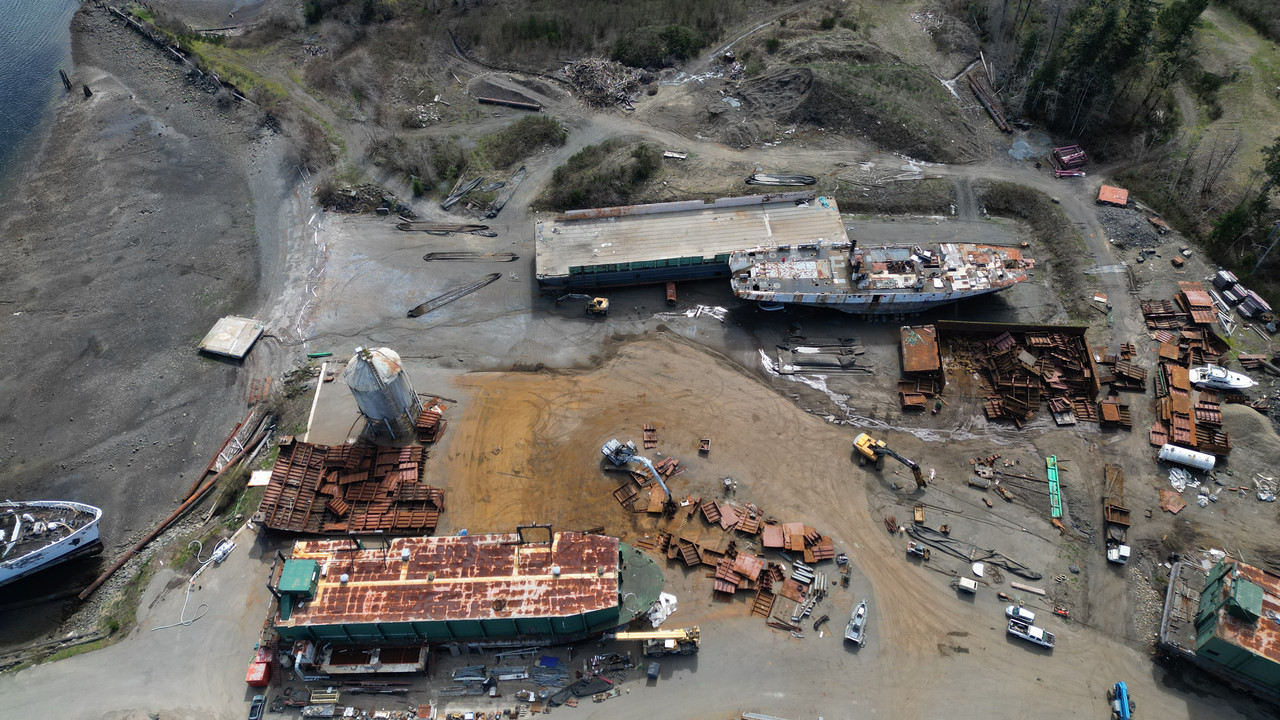
So nothing has changed except the name and adding the funky banana guy, who I have yet to see a project he can claim to have completed.
Ya, Mike says “We’re working on a deal with the banks. It’s worth between $6 to $8 Billion in investment across Canada and we’re working closely with Federal and Provincial governments.” Didn’t we hear McMahon/KIP claim they didn’t need any money or investors, he was going to raise the dam, provide sewage, water filtration, etc.?
Mike published the entire interview and I couldn’t have asked for a better example of someone bullshitting and relying on pr phrases without offering one shred of anything of substance.
Claims 10% of their company is owned by First Nations. Doesn’t name Bohn, refers to him as the owner of the site. Why doesn’t he say Bohn’s name? Because he’s a convicted felon and Butler is trying to put lipstick on the pig. Community consultation continuing???? Mike will be doing squat without that 35 acre foreshore lease.
True to Trump form – Mike has a lot of ‘concepts’. 14 minutes of bullshit. It’s no wonder Kendall’s piece was so brief. Rinse, repeat. Well done Mike!
DWR’s presence in Union Bay should not be viewed as a detriment to the environment but rather as a positive step towards addressing waste in a sustainable, responsible manner
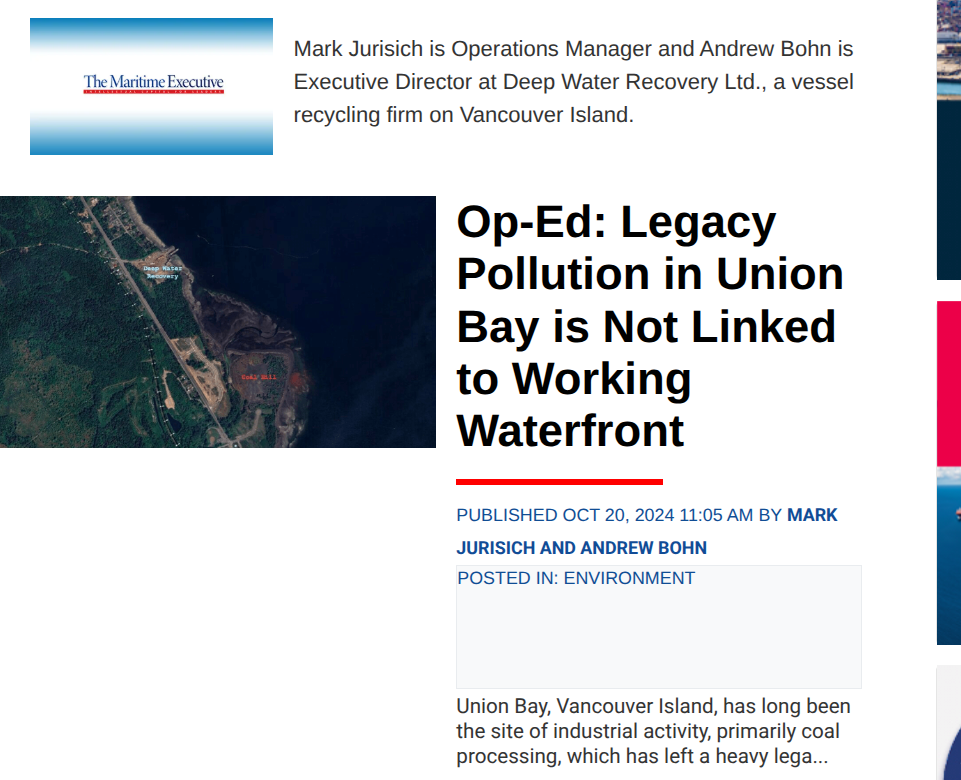
Op-Ed: Legacy Pollution in Union Bay is Not Linked to Working Waterfront
Union Bay, Vancouver Island, has long been the site of industrial activity, primarily coal processing, which has left a heavy legacy of pollution. Today, Deep Water Recovery (DWR), a company specializing in the recycling of steel vessels, is facing scrutiny from provincial regulators – but there is well-documented evidence pointing to the area’s long history of contamination. The region’s pollution is clearly tied to past coal and logging activities, not DWR’s ongoing business.
A Historical Legacy of Pollution
A 32-acre coal waste pile adjacent to DWR’s property continues to leach arsenic, copper, mercury, and other toxic metals into Baynes Sound and Hart Creek. This coal pile, remnants of Vancouver Island’s coal industry, has been identified through environmental studies as a significant source of contamination extending over 30 yards offshore. Tests have shown that seep water from the coal pile is rife with harmful metals, including cadmium, cobalt, iron, and nickel, all of which have had decades to permeate the local ecosystem. Sediment analyses have found similarly high levels of polycyclic aromatic hydrocarbons (PAHs) and metals, exacerbating the environmental damage in Union Bay.
These facts paint a clear picture: the primary source of pollution in the area predates DWR’s presence and stems from coal-related activities. In fact, the coal waste pile adjacent to DWR’s site necessitated a multi-million-dollar remediation effort from the government to cap the area and reduce further contamination. This effort, while significant, has not yet addressed the wider environmental impact of Union Bay’s industrial past.
Challenges of Operating in a Historically Contaminated Site
Operating in an area with such a deeply entrenched history of industrial pollution poses significant challenges for DWR, which has to navigate the complex realities of conducting business on a site that is already under heavy environmental regulation. This includes a recurring obligation to prove that its operations – which adhere to the Hong Kong International Convention for Ship Recycling – are not the source of these pollutants. Provincial and federal agencies subject the company to stringent guidelines, requiring constant monitoring and compliance. While this level of oversight is appropriate for any industrial operation, the focus on DWR ignores the far larger historical contamination issues that remain unresolved.
Recycling steel vessels—a critical and environmentally beneficial process—does not introduce contaminants such as arsenic, mercury, or PAHs into the environment. These operations differ significantly from historical coal mining, which is responsible for the heavy metal contamination still plaguing the region today.
Difficulties of Operating in a “Green” Zone
Public sentiment around industrial operations often tends to skew negatively, particularly in areas where environmentalism is a strong local value. Recycling vessels prevents them from becoming environmental hazards in other areas of the world, particularly in countries with less stringent environmental regulations.
DWR’s presence in Union Bay should not be viewed as a detriment to the environment but rather as a positive step towards addressing waste in a sustainable, responsible manner – steps that contrast with the legacy pollution that continues to seep into the water from coal and forestry activities.
Robert Bohn is the owner of Deep Water Recovery.
The opinions expressed herein are the author’s and not necessarily those of The Maritime Executive.
“We’re not ship breakers, we’re not wreckers. We dismantle piece by piece,” said Jurisich. “Vessel dismantling and vessel construction. They’re one in the same.”
Jurisich says he’s diverted rainwater coming down the property away from the work site, but sampling hasn’t been done yet, and says he also has plans to build a $5.2 million marine workspace with a 600 foot concrete pad and 450 foot shelter, but he doesn’t have the permit to do it.


KEEP FLYING, KEEP TRYING, NO CRYING’
THE ‘CANCER‘ OF BAYNES SOUND CAN BE BEATEN..
TOGETHER WE ‘ALL CAN MAKE IT HAPPEN.
C.V.Regional District/ Min of Environ-N.R.O.S Forestry/M.L.A & M.P.’s ++
Do your duty NOW.. Lets get this FIXED in ’26
LikeLike