https://www.facebook.com/profile.php?id=61565489111834
Concerned Citizens of Baynes Sound
13h ·
 Understanding Important Bird Areas (IBAs) & Key Biodiversity Areas (KBAs) – Protecting Baynes Sound
British Columbia is home to some of the most ecologically significant sites on Earth—from the Fraser River Estuary, teeming with migratory waterbirds, to the Scott Islands, where swarms of puffins and storm-petrels fill the sky.
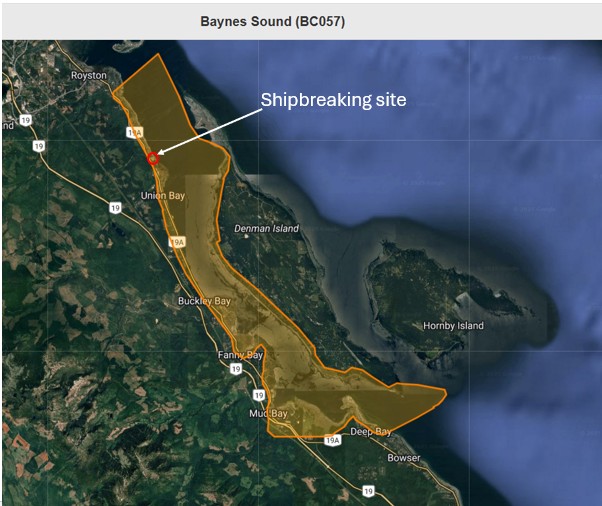
Among these critical habitats is Baynes Sound, a globally recognized Key Biodiversity Area (KBA) and Important Bird & Biodiversity Area (IBA).
 What is an IBA?
An Important Bird & Biodiversity Area (IBA) is a globally recognized site critical to bird populations. The program, initiated by BirdLife International in the 1980s and adopted in Canada in 1996, identifies, monitors, and protects essential bird habitats across the country.
 Why IBAs Matter
 Provide habitat for threatened species
Support large concentrations of migratory birds
Protect species found nowhere else on Earth
Part of an international conservation network spanning over 200 countries and 10,000 sites
Baynes Sound was designated as an IBA due to its importance for waterbirds, shorebirds, and seaducks, including the Black Brant, Western Grebe, and Surf Scoter. This estuarine ecosystem supports birds that rely on it year-round—for wintering, feeding, and breeding.
 What is a KBA?
A Key Biodiversity Area (KBA) goes beyond birds—it recognizes sites vital to the survival of any species that meet specific global criteria. Baynes Sound is now a confirmed KBA, highlighting its critical role for marine and terrestrial biodiversity beyond just birds.
Why KBAs Matter
Protects not just birds, but all species reliant on the ecosystem
Recognizes habitats essential for global biodiversity conservation
Provides a scientific basis for conservation action
Helps prioritize areas that need urgent protection
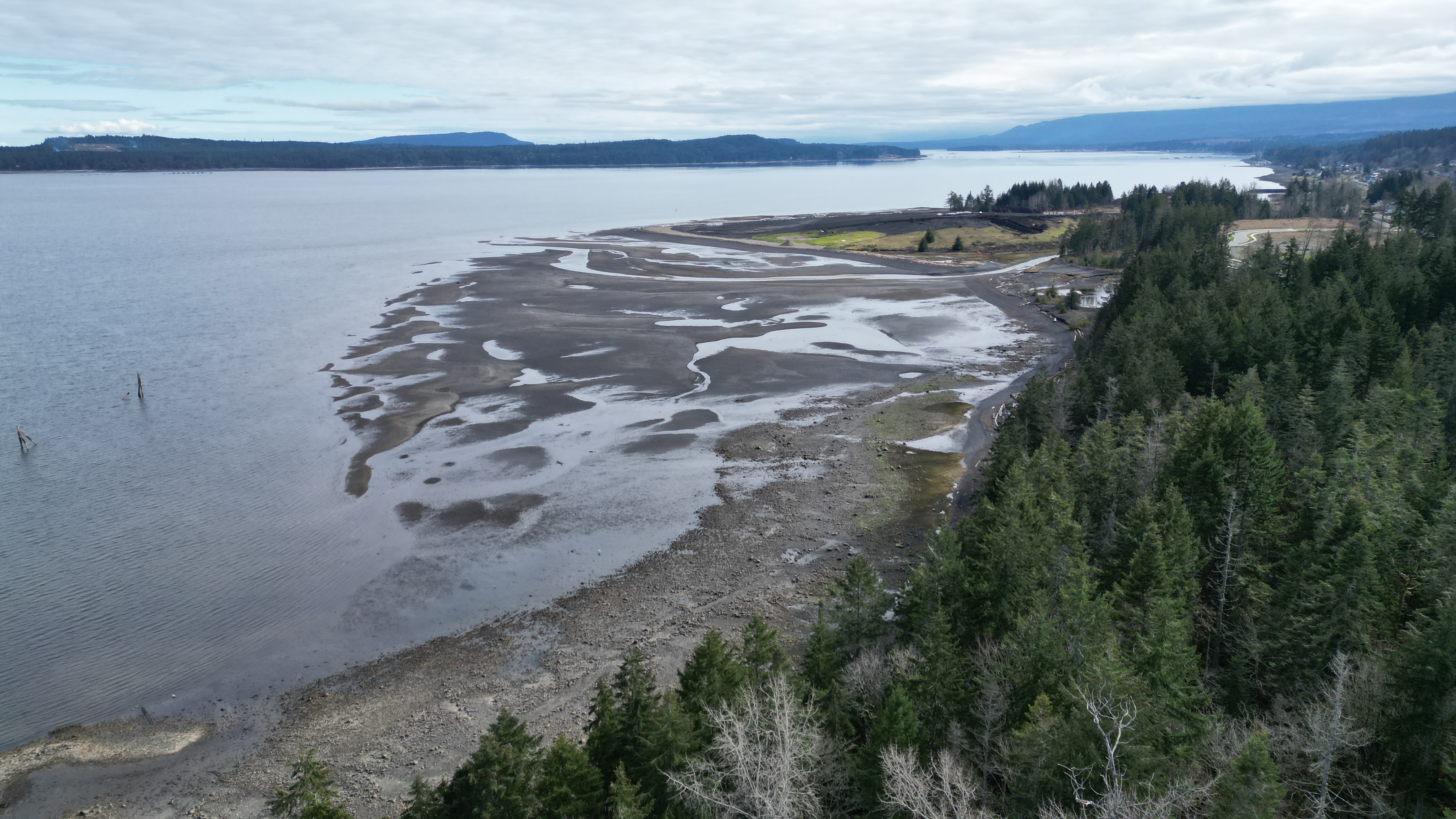
Baynes Sound qualifies as a Global KBA because it meets international conservation thresholds based on bird populations and habitat importance. However, only 1.75% of its area is currently protected, making it vulnerable to threats like urban development, pollution, and unregulated industrial activity.
 Baynes Sound: A Critical Habitat Under Threat
Despite its global significance, Baynes Sound faces growing environmental risks, including:
 Coastal development disrupting bird habitats
Pollution from sewage and stormwater runoff
Recreational disturbances affecting bird populations
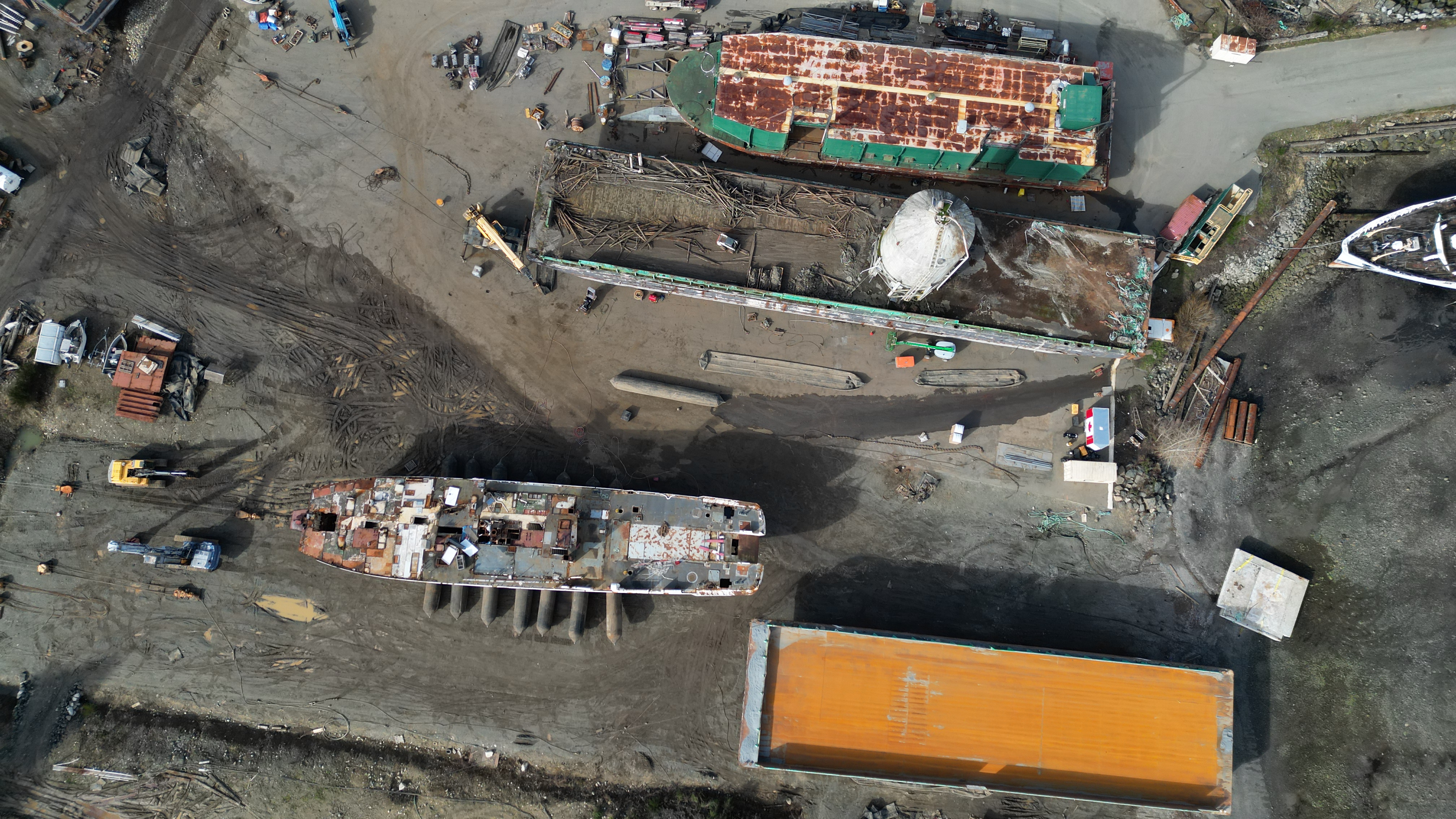
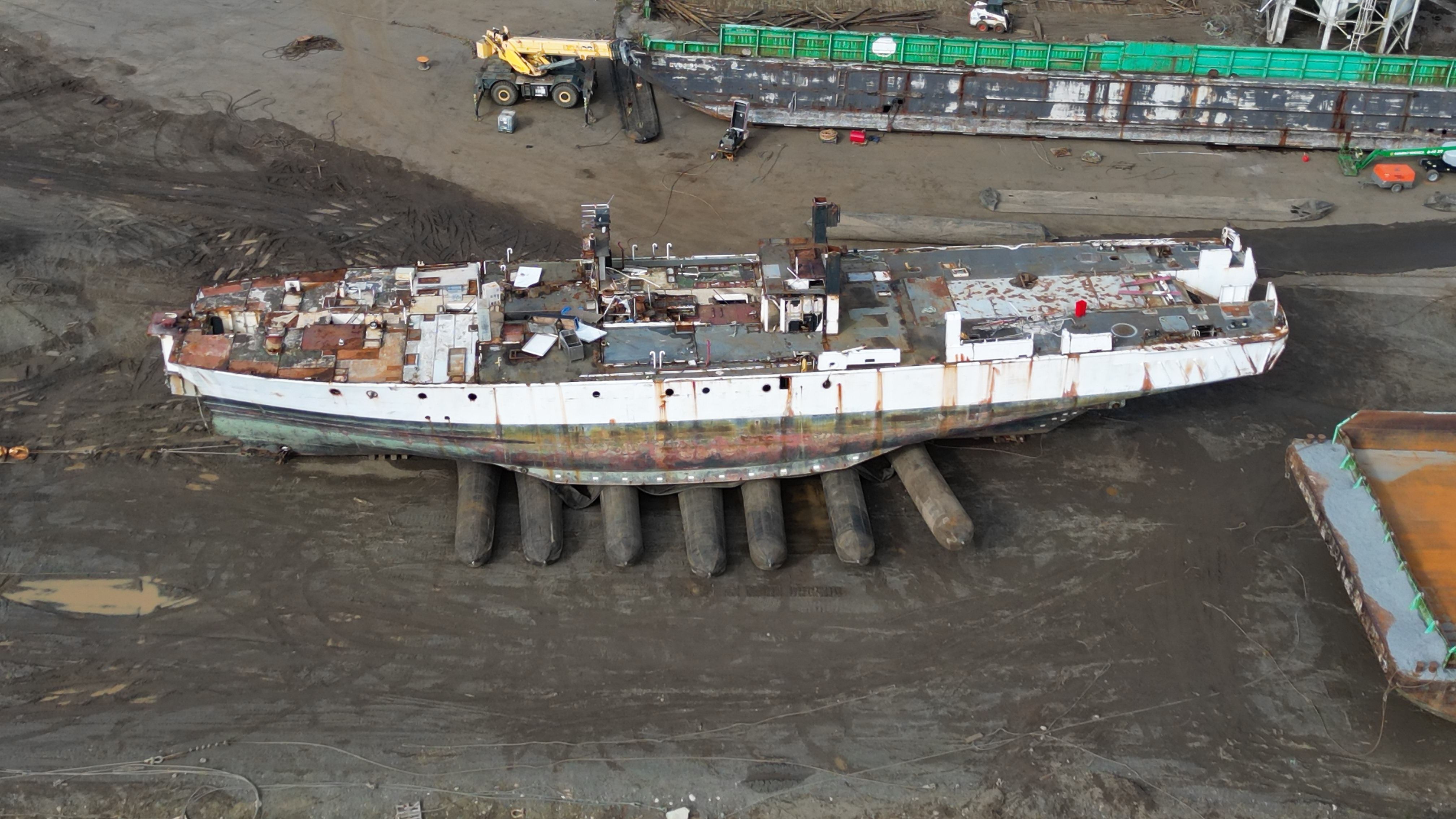
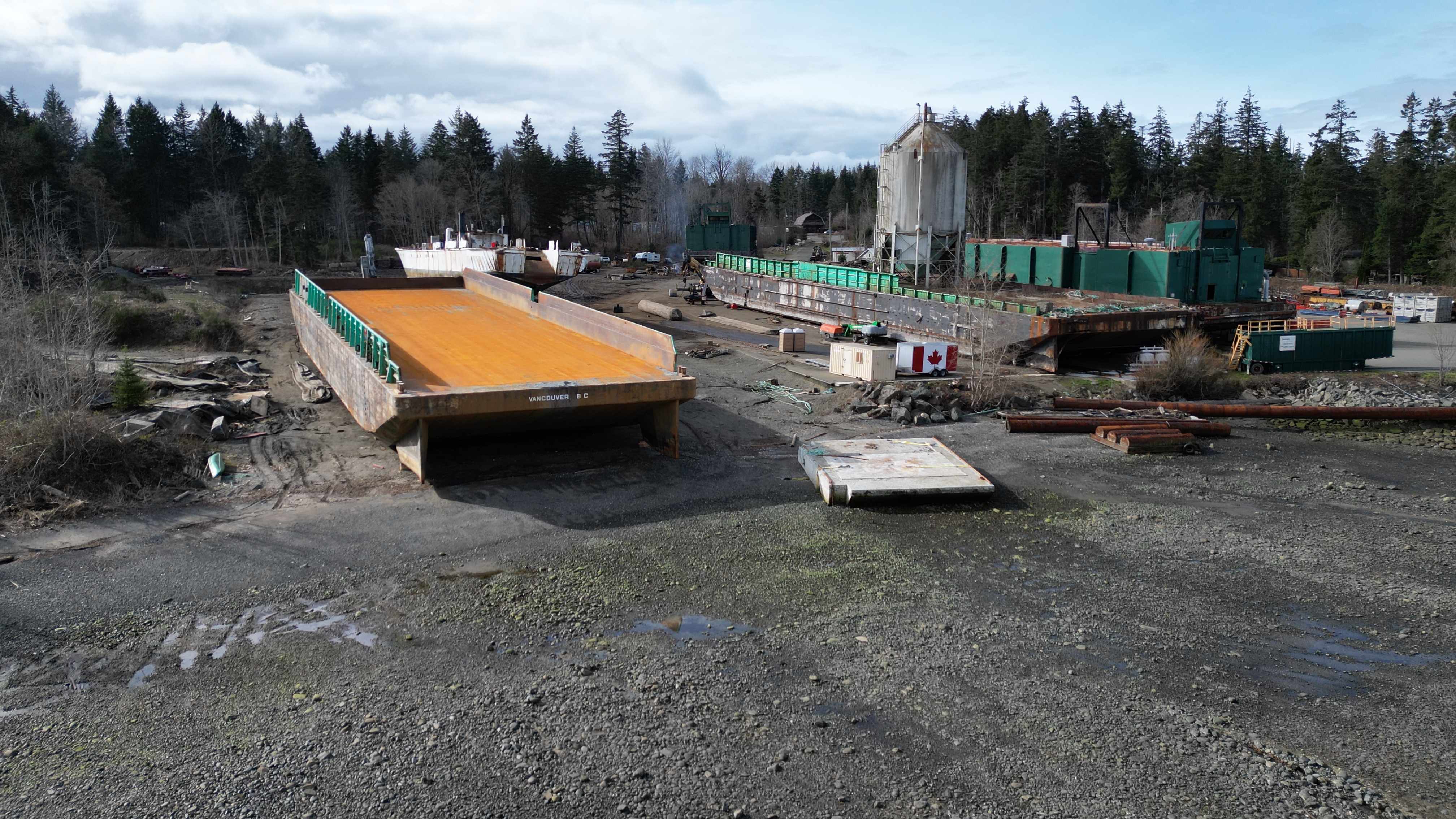
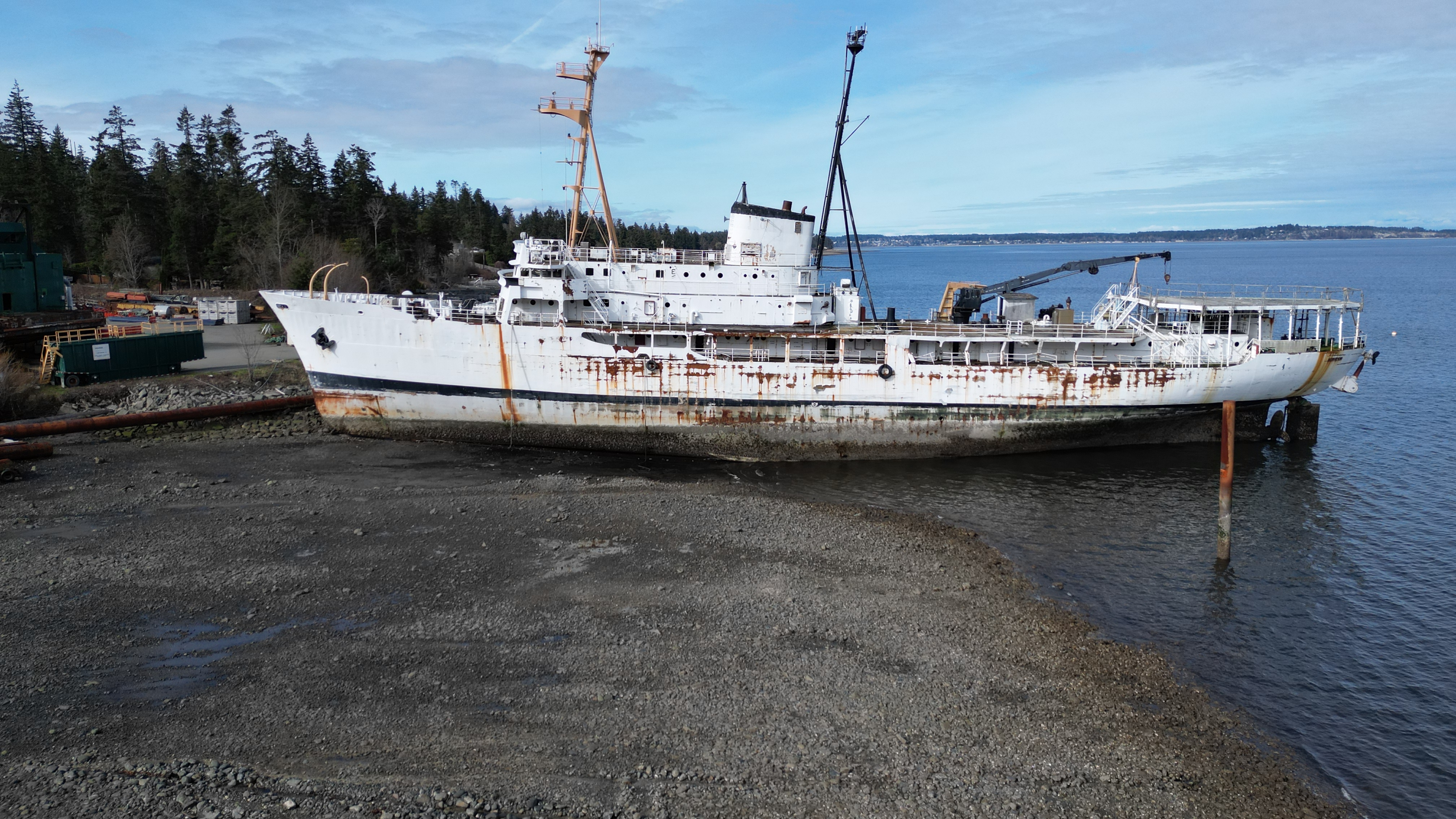
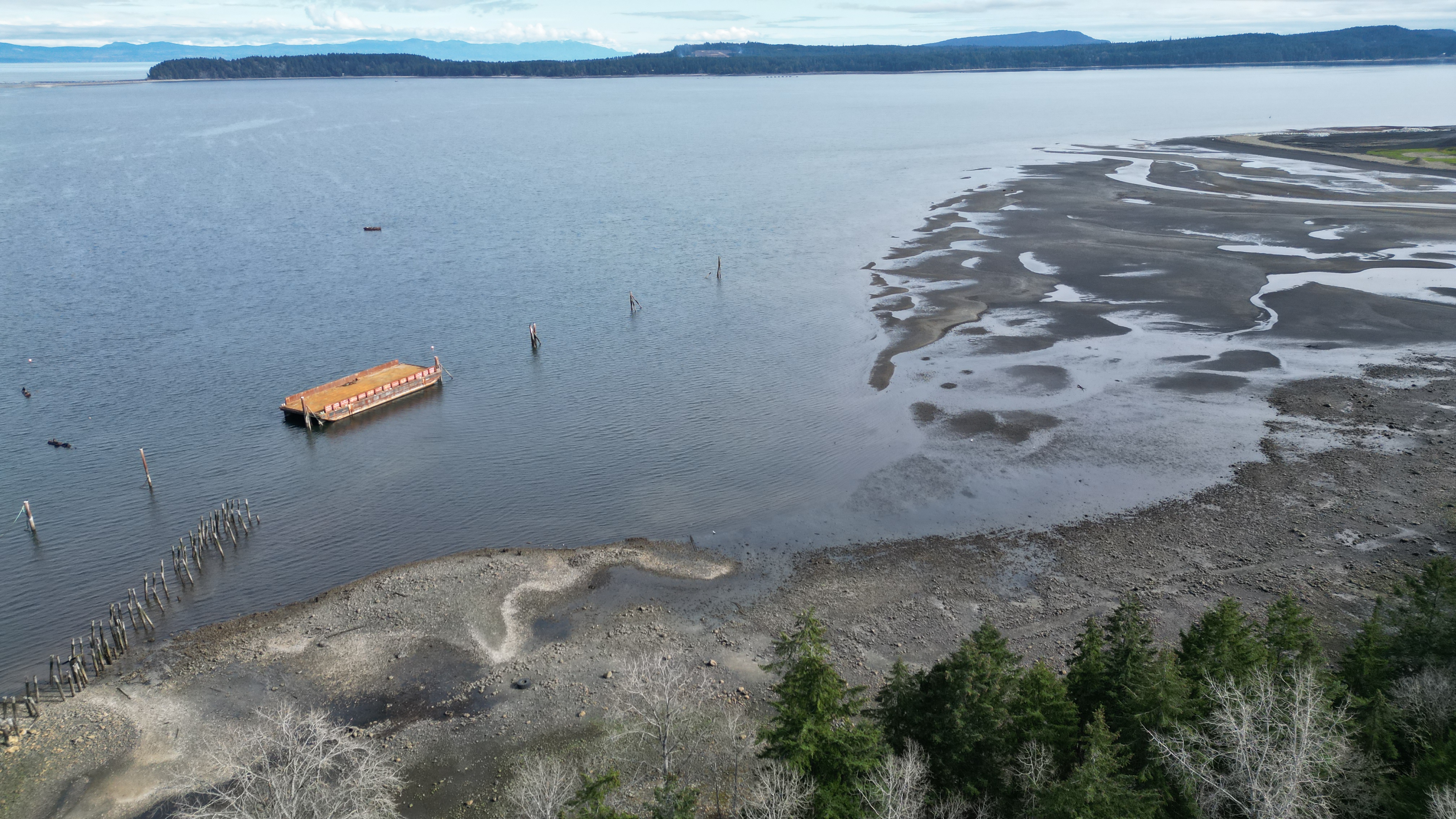
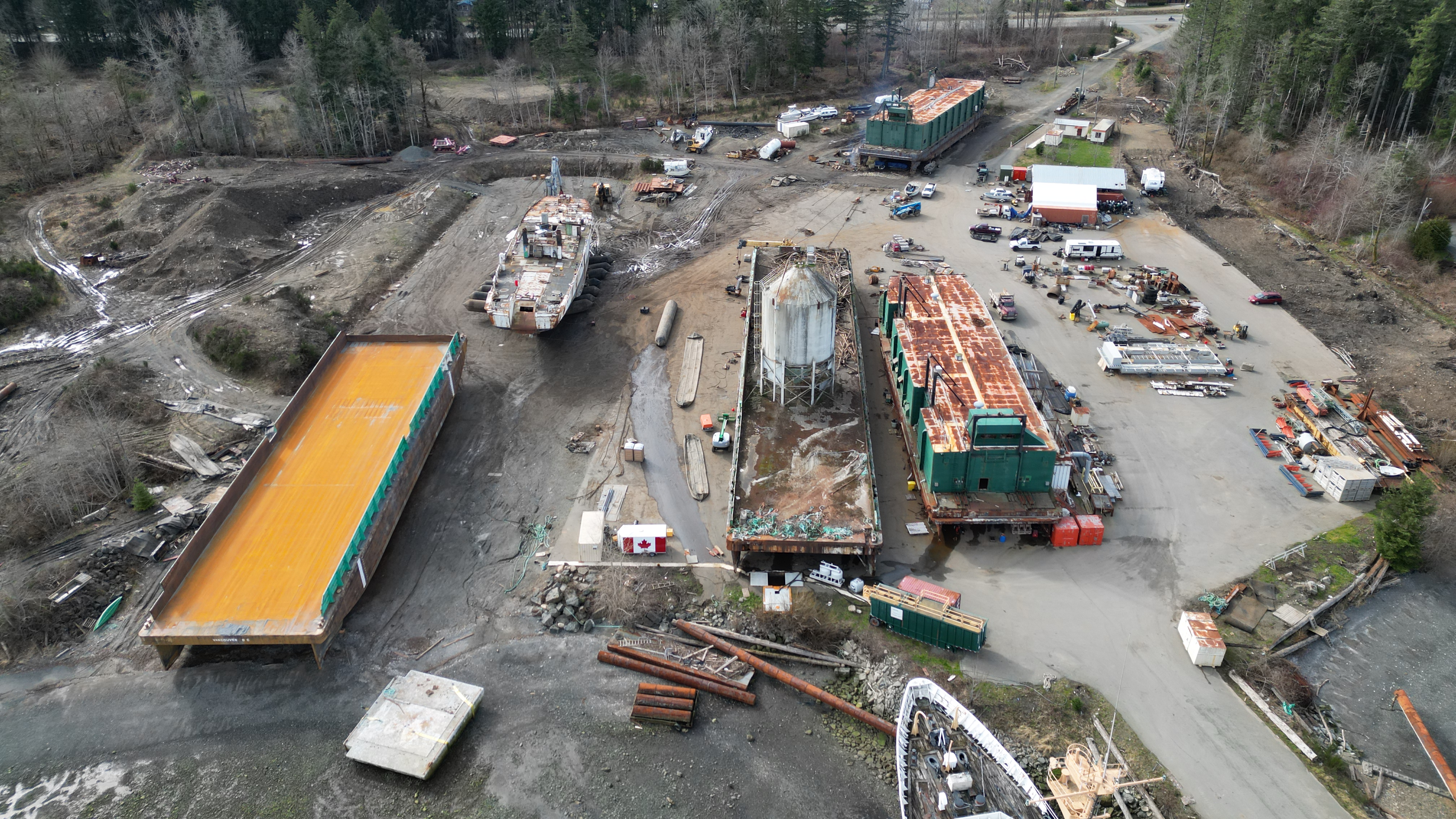
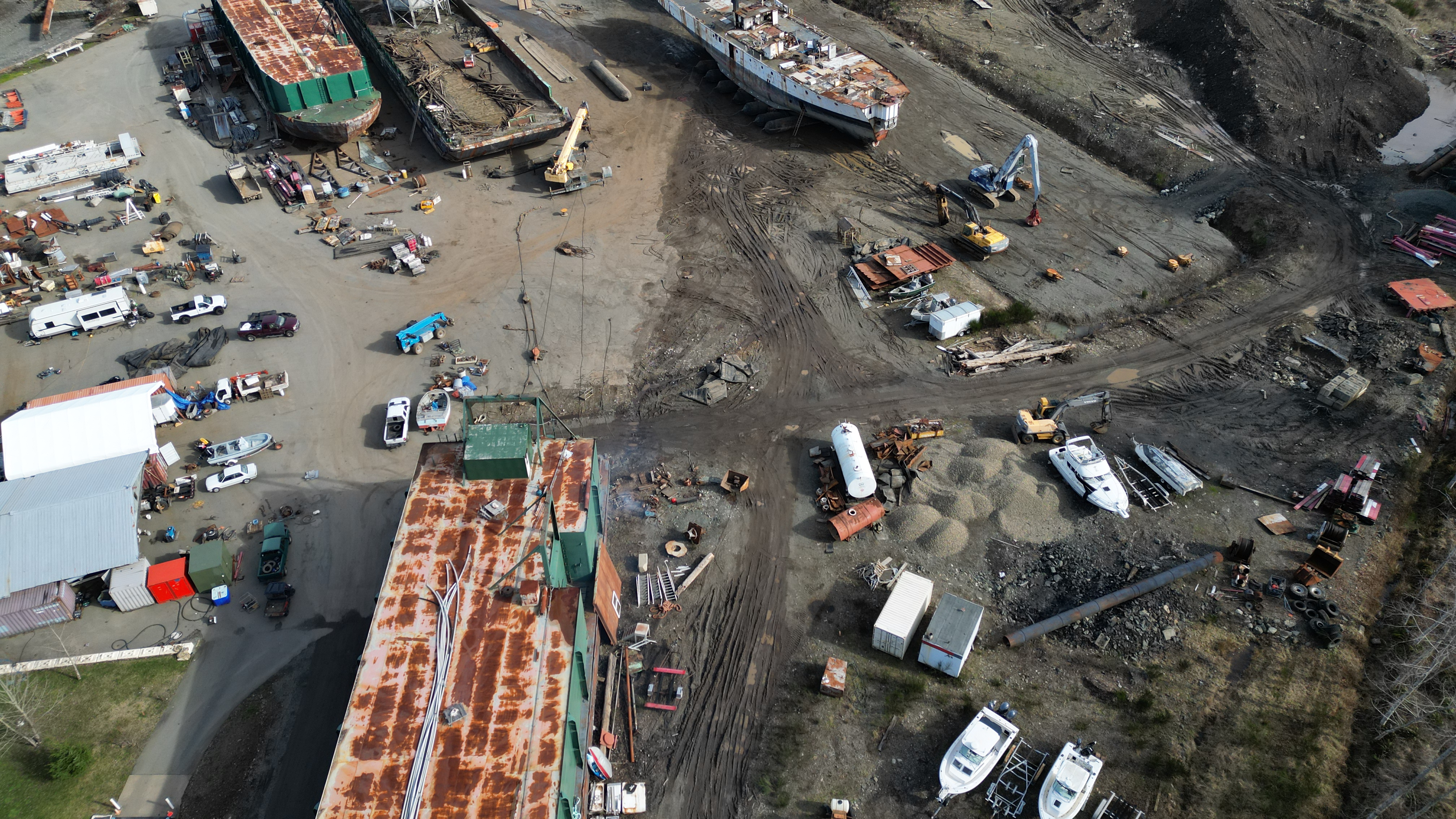
Unregulated shipbreaking and heavy industry—which are not included in conservation planning, leaving no oversight or accountability
 How Can We Protect Baynes Sound?
 Advocate for stronger conservation policies to regulate industrial activity
Support efforts to expand protected areas beyond 1.75%
Raise awareness about the importance of KBAs & IBAs
Get involved with organizations like Birds Canada, Nature Canada, and BC Nature
 A Global Conservation Effort
Canada’s nearly 600 IBAs play a key role in protecting migratory birds that travel across international borders. The shift to Key Biodiversity Areas (KBAs) ensures that conservation efforts protect all species, not just birds—from Salmon and Orcas to rare plants and bog spiders.
 Learn More:
 Global IBAs: www.birdlife.org
Canadian IBAs: www.ibacanada.ca
Baynes Sound is a vital link in a global conservation network. We must act now to ensure it remains a thriving ecosystem for generations to come. 
Share this post to help protect Baynes Sound!
#BaynesSound#ProtectNature#BirdConservation#SaveOurShorelines#StopShipbreaking#KeyBiodiversityAreas#IBA#KPA#birds#herring
https://www.ibacanada.com/mobile/site.jsp?siteID=BC057
https://www.keybiodiversityareas.org/site/factsheet/11073
K’ómoks First NationThe Nature Trust of British ColumbiaNature CanadaNature Conservancy of Canada / Conservation de la nature CanadaBirds CanadaWWFWWF-CanadaWildlife Conservation SocietyBirdLife InternationalAmphibian Survival AllianceConservation InternationalCritical Ecosystem Partnership FundGlobal Environment FacilityRe:wildNatureServeRainforest TrustThe Royal Society for the Conservation of NatureWildlife Conservation SocietyFisheries and Oceans CanadaEnvironment and Climate ChangeJosie OsborneBC NDPConservative Party of BCBC Green PartyDavid EbySeaspan Corporation